Buying an Older Pittsburgh Home With a Fireplace
That charming original fireplace could be a delight — or a costly surprise. Here's what to check before you buy.
Published February 26, 2026 · Roosevelt Chimney Works
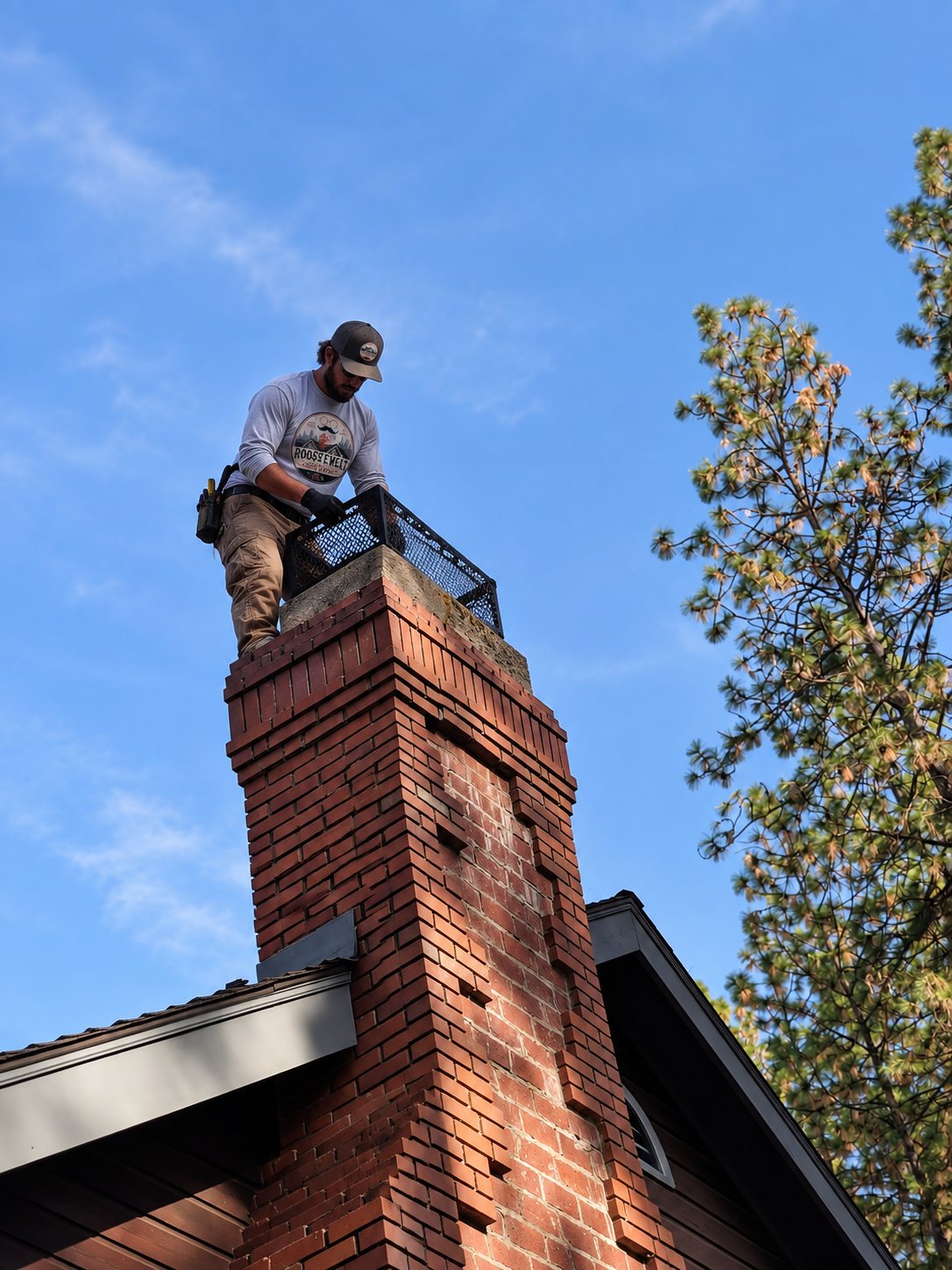
Pittsburgh is full of gorgeous older homes, and many come with original fireplaces and masonry chimneys that add real character. But that character can hide expensive problems — and a standard home inspection usually won't catch them. Here's what to know if you're buying.
Why the standard inspection isn't enough
General home inspections note the chimney's exterior but rarely scan the flue interior — which is exactly where the costly problems hide. A cracked liner, a deteriorated crown, or a chimney that's unsafe to use can pass a general inspection unnoticed, then surprise you after closing.
What older Pittsburgh chimneys often need
Decades of freeze-thaw cycles take a toll. Common findings in older homes include:
- Original clay-tile liners that have cracked with age and heat cycling.
- Deteriorated mortar joints due for repointing.
- Cracked or poorly built crowns.
- Spalling brick from years of water absorption.
- Chimneys altered for past appliance changes, not always correctly.
Get a dedicated chimney inspection
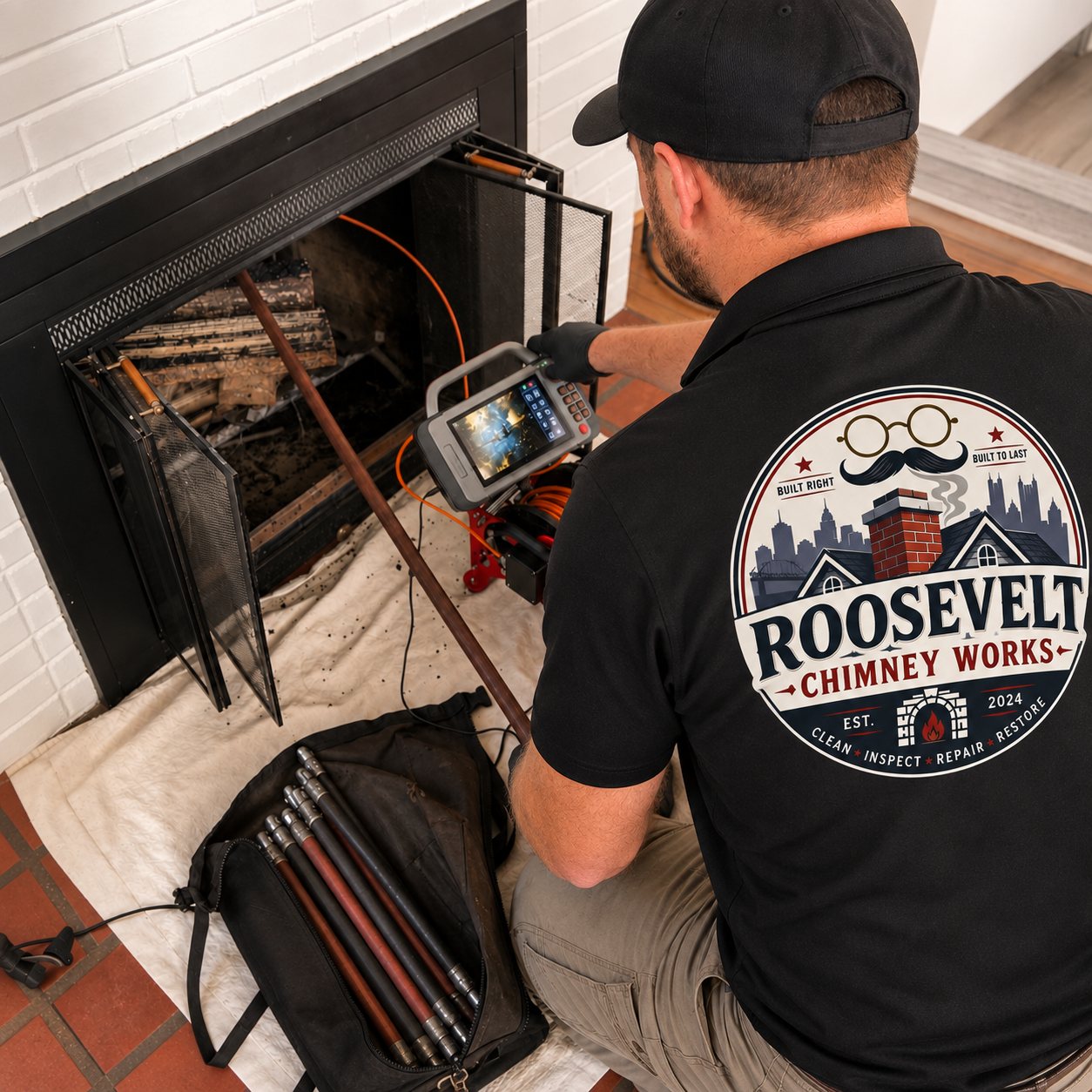
Before you buy, or during your due-diligence period, order a Level 2 chimney inspection specifically. It gives you a documented, camera-backed picture of the chimney's true condition — so you know what you're getting, can budget for repairs, and have real information for negotiation.
The good news
Most older chimneys can be restored rather than replaced. Repointing, crown repair, relining, and waterproofing can bring a century-old chimney back to safe, sound condition while preserving its original character. The key is knowing what you're dealing with before you commit.