Real Estate Chimney Inspections: Why They Matter
Whether you're buying or selling, a chimney inspection protects everyone from a costly surprise at closing.
Published March 12, 2026 · Roosevelt Chimney Works
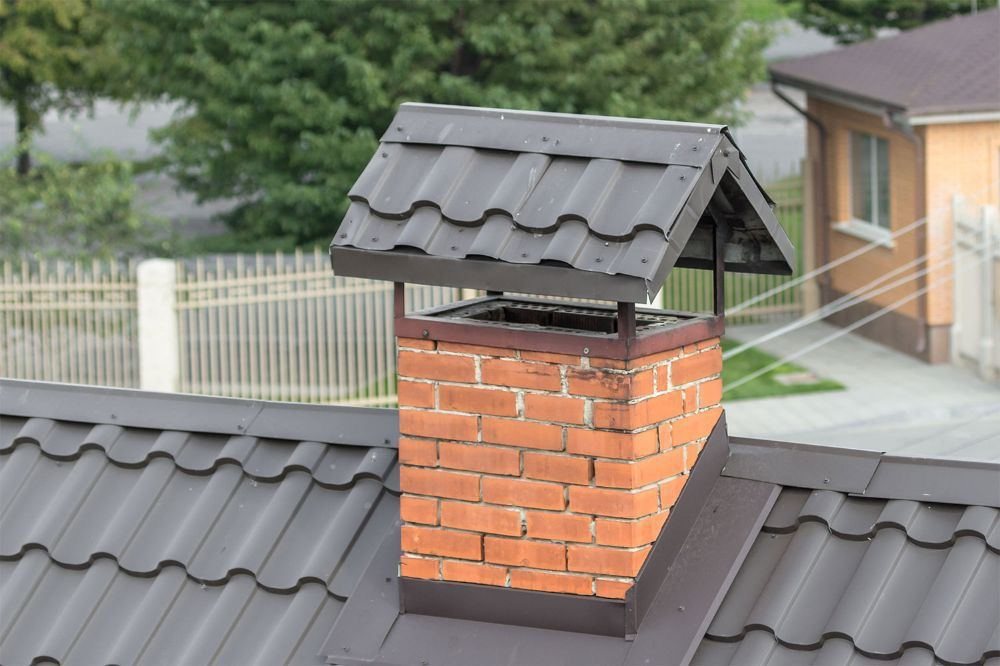
When a home changes hands, the chimney is often overlooked — right up until it becomes an expensive surprise for the new owner. A dedicated real estate chimney inspection protects both buyers and sellers by putting the chimney's true condition on the table before closing.
The gap in the standard process
A typical home inspection glances at the chimney exterior but doesn't scan inside the flue. Yet chimney and fireplace repairs — relining, crown rebuilds, masonry work — can run into serious money. That's a big blind spot in an otherwise thorough process.
What a transaction inspection covers
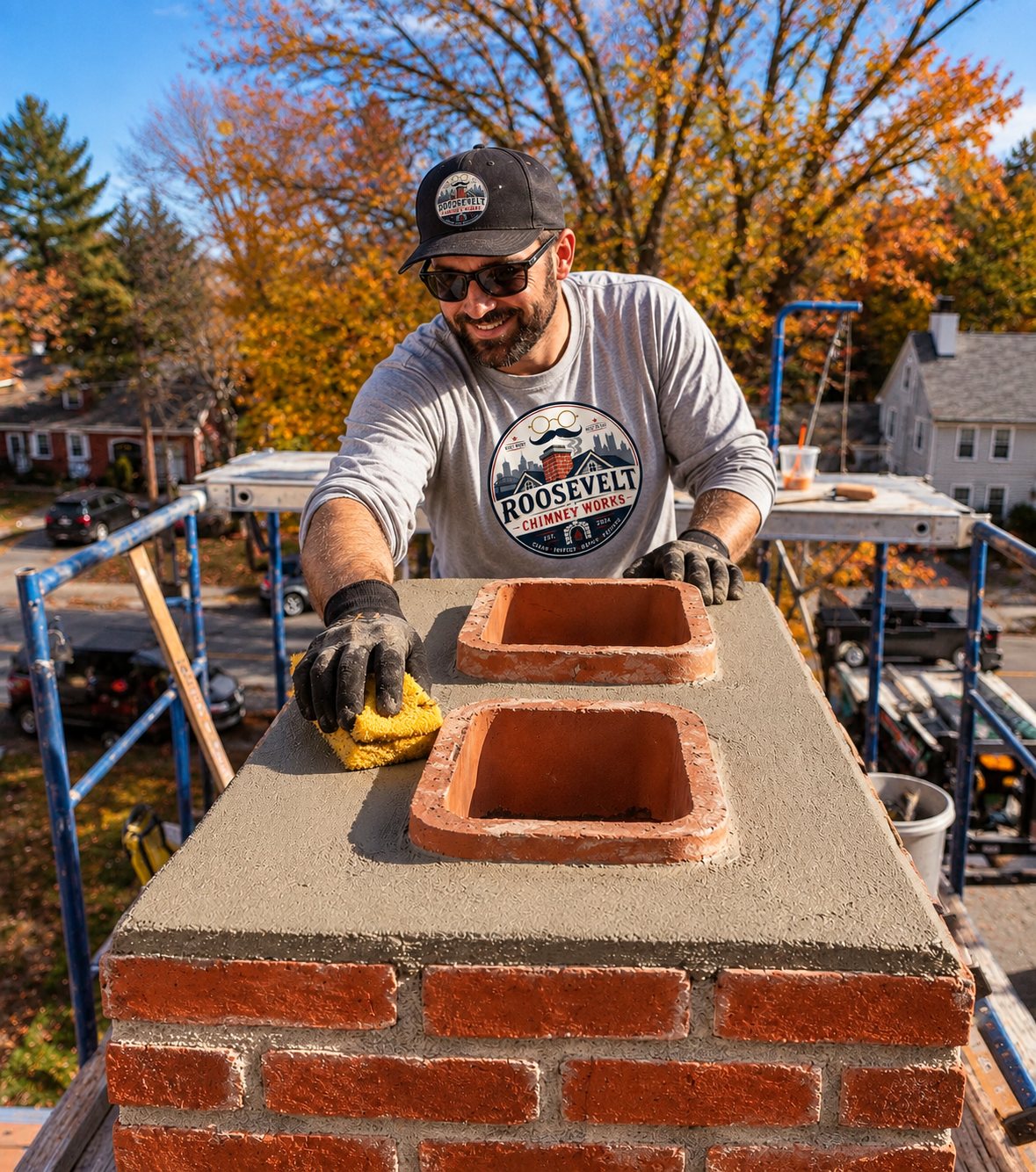
For a home sale, a Level 2 inspection is the standard. It includes a full camera scan of the flue interior plus examination of the crown, cap, flashing, masonry, firebox, and damper — the whole system. You get documentation, including camera footage of any concerns.
How it helps buyers
For buyers, it's due diligence. You learn whether the chimney is safe to use, what repairs it needs, and roughly what they'll cost — before you own the problem. That's real information for your decision and your negotiation.
How it helps sellers
For sellers, it removes surprises. Knowing the chimney's condition lets you address issues in advance or price accordingly, rather than having them surface during the buyer's inspection and become a last-minute sticking point.
An inspection turns a potential negotiation landmine into a known quantity that both sides can plan around.