Chimney Odors: What That Smell Is Telling You
Smoky, musty, or downright foul — different chimney smells point to different problems. Here's how to read them.
Published January 29, 2026 · Roosevelt Chimney Works
A chimney that smells is trying to tell you something. Rather than reaching for a candle to mask it, it's worth learning what different odors mean — because each points to a specific, fixable cause.
Smoky or tar-like smell
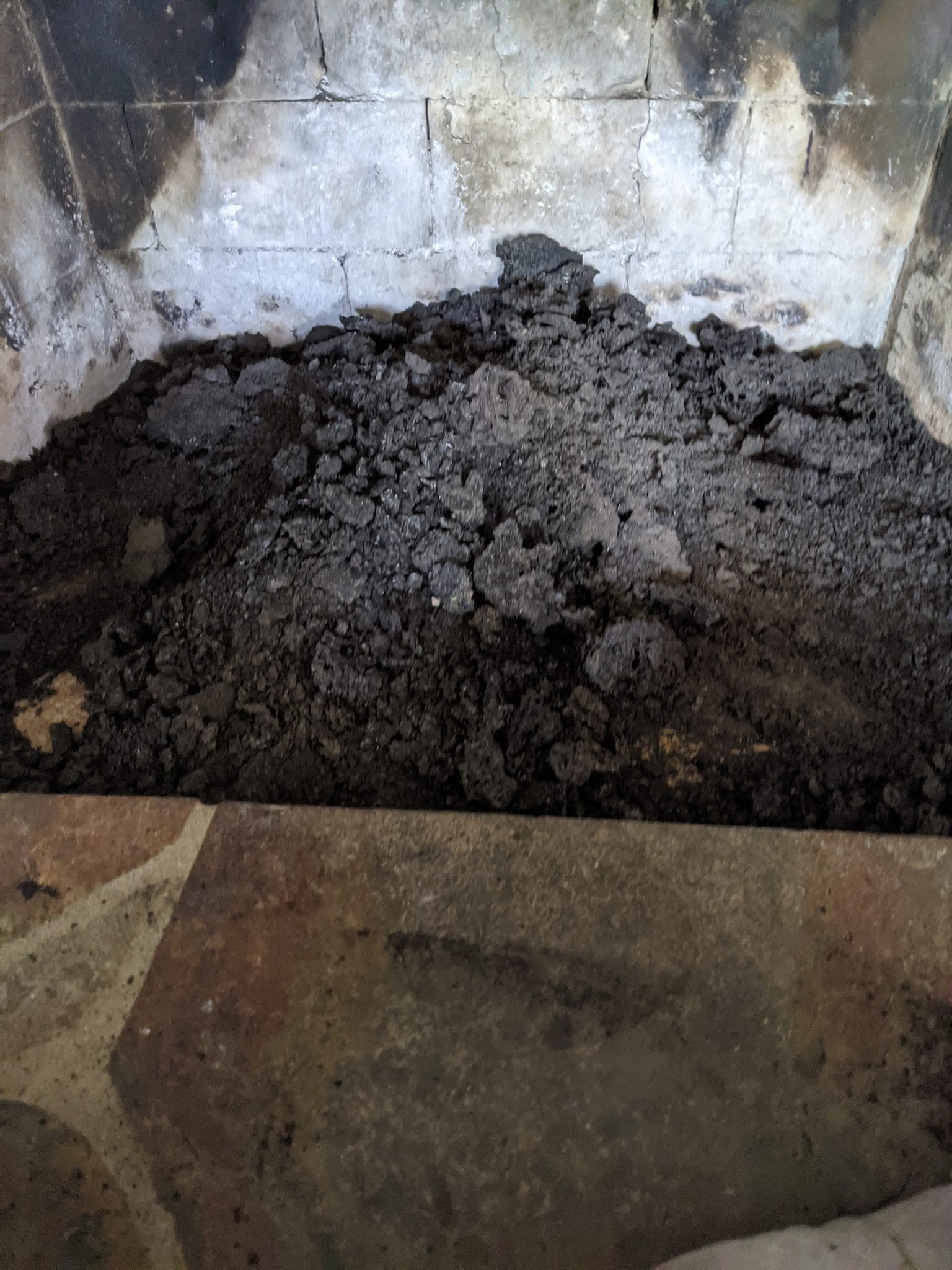
This usually means creosote buildup in the flue. Creosote has a distinct campfire-meets-tar odor, and it gets stronger in humid weather. The fix is a thorough cleaning to remove the odor-causing buildup.
Musty or damp smell
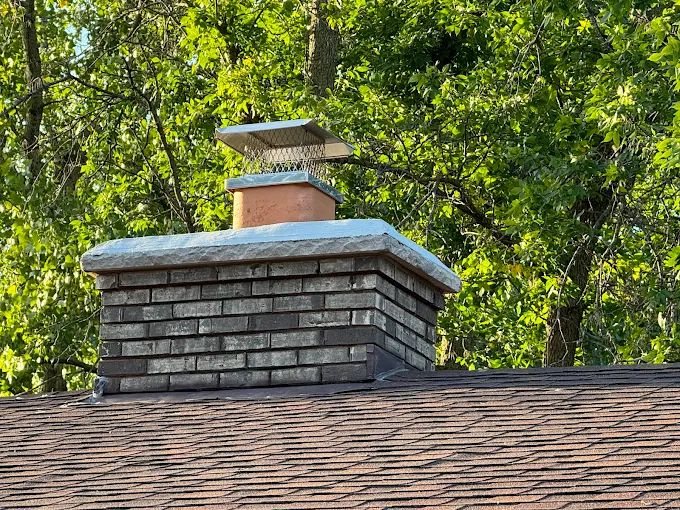
A musty smell points to moisture getting into the chimney — often through a missing cap, a cracked crown, or failed flashing. The dampness itself smells, and it also signals water intrusion that needs addressing before it causes masonry damage.
Foul or rotting smell
An unpleasant, rotting odor often means an animal has gotten into the flue — or worse, has died there. Nesting material and animals both produce strong smells, and the fix involves removal, cleaning, and sealing the entry point with a cap.
Why summer makes it worse
Many homeowners notice chimney odors peak in summer. Here's why: warm, humid air moving down an uncapped or leaking flue picks up the smell of accumulated creosote and pushes it into the house. Downdrafts amplify the effect. A clean flue and a proper cap solve the most common version of this complaint.
Fixing it for good
The key is addressing the cause, not masking the symptom. Depending on the smell, that means cleaning, fixing water intrusion, or removing an animal and capping the flue — each of which also resolves a problem that needed attention anyway.