There's an Animal or Bird in My Chimney — Now What?
Scratching sounds or a foul smell from the flue? Here's what to do (and what not to do) about wildlife in your chimney.
Published April 2, 2026 · Roosevelt Chimney Works
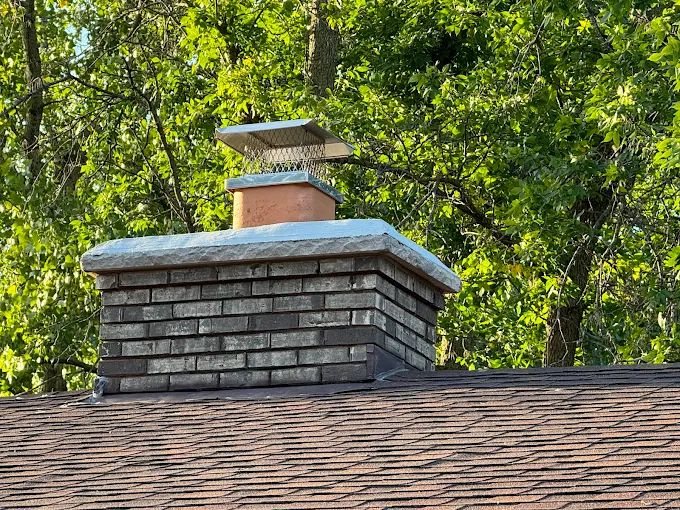
Scratching, rustling, chirping, or a foul smell drifting from the fireplace — these are the classic signs that something has moved into your chimney. It's more common than you'd think, especially on uncapped flues, and there's a right way to handle it.
How they get in
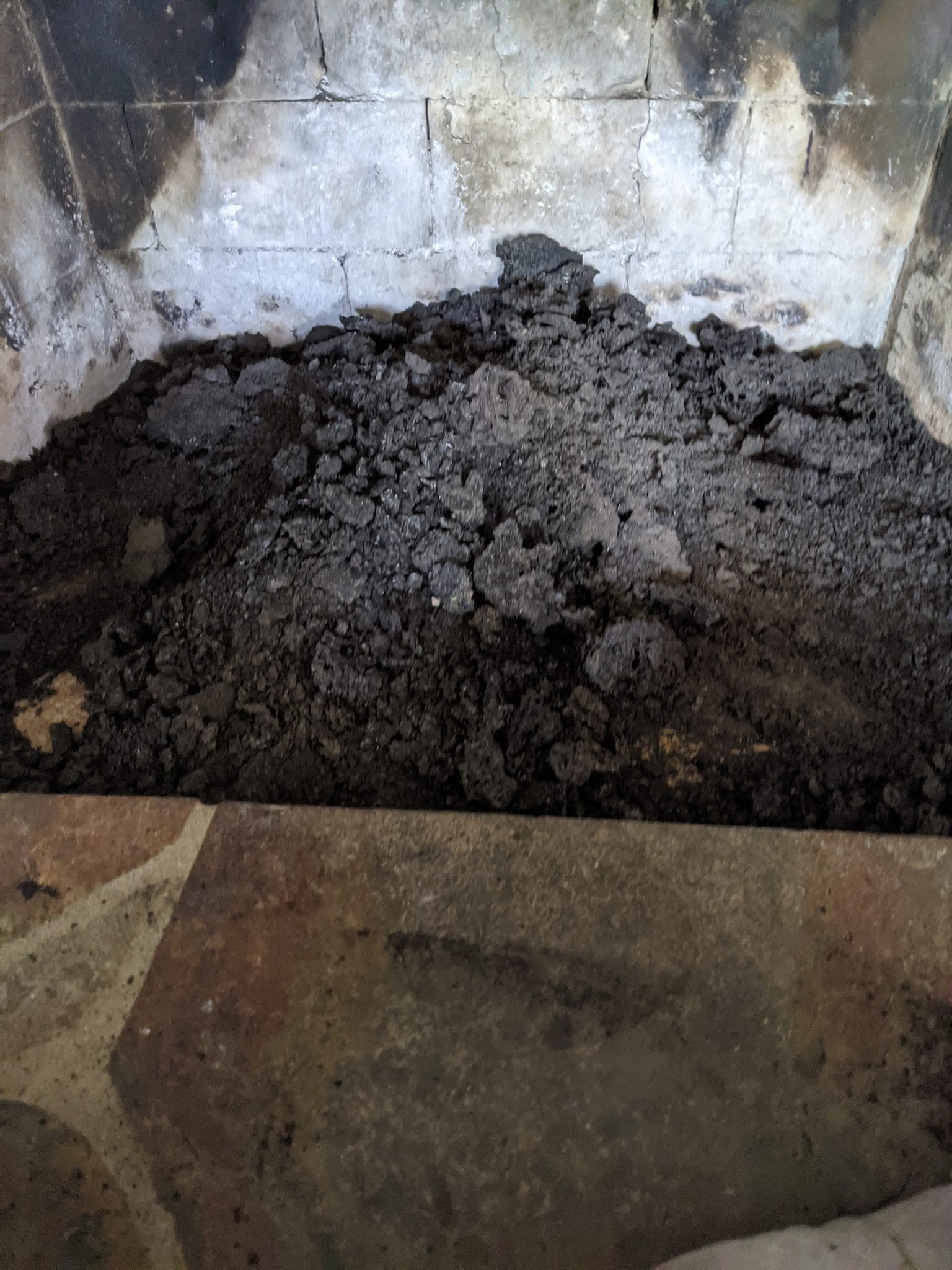
An uncapped chimney is an open invitation. Birds (chimney swifts are notorious), squirrels, and raccoons climb or fall in to nest, drawn by the shelter and warmth. Once in, they can get stuck, build nests, and leave behind flammable debris and strong odors.
What NOT to do
- Don't light a fire to smoke them out — it's inhumane and can start a chimney fire with the nesting debris.
- Don't reach in blindly — frightened animals can bite or scratch.
- Don't ignore it — a blocked flue can't vent combustion gases safely.
The right approach
The safe path is professional removal: getting the animal or nest out, clearing the resulting debris and blockage, and cleaning and deodorizing the flue. A blocked flue is a genuine hazard — combustion gases can't vent past a nest — so clearing it fully matters.
Preventing a repeat
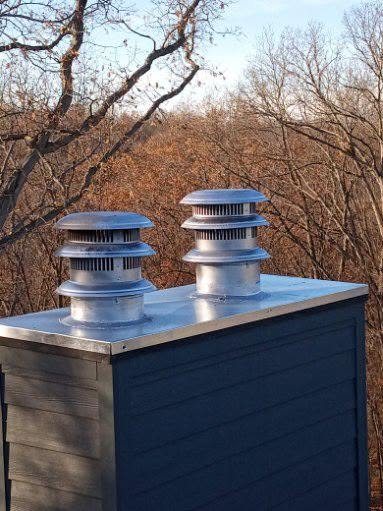
Removal without prevention just resets the clock until the next tenant moves in. The essential final step is installing a properly fitted cap with screening — it keeps wildlife out while still letting the flue draft. It's the reliable way to keep the local squirrels on the roof instead of in your chimney.