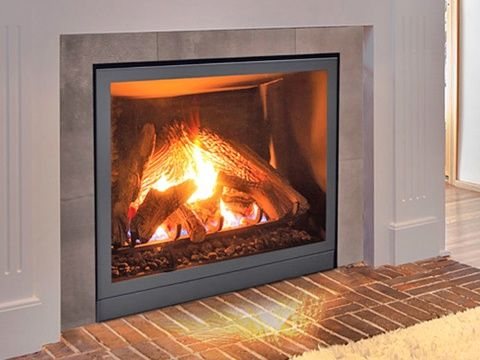
Damper Repair vs. Replacement
A stuck or leaky damper wastes energy year-round. Here's when it can be repaired — and when a new one is the smarter move.
Published March 26, 2026 · Roosevelt Chimney Works
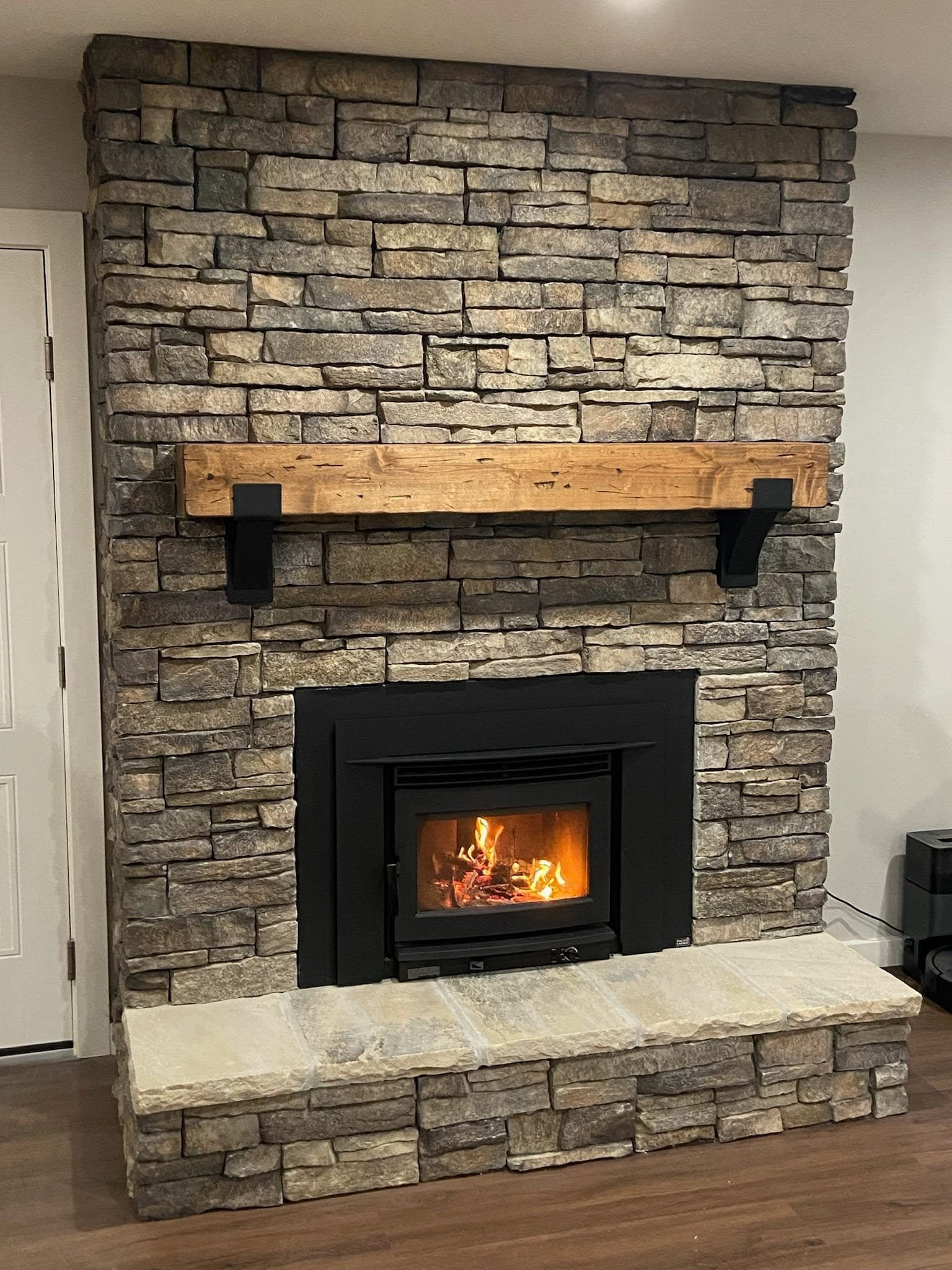
The damper is the movable seal between your firebox and the flue — and when it stops working, you feel it year-round: heated air escaping in winter, and cold, damp, odor-laden air coming down in summer. When a damper fails, the question is whether to repair it or replace it. Here's how to think about it.
What the damper does
When you have a fire, the damper opens to let smoke out. When the fireplace is idle, it should seal tight to keep conditioned air in and weather out. A damper that won't do both jobs is quietly costing you comfort and energy.
When repair works
Often, a throat damper can be repaired rather than replaced. A plate seized with rust can be freed and cleaned; a broken handle or pivot can be fixed; a warped seat can sometimes be adjusted to seal again. If the components are fundamentally sound, repair is the sensible, economical route — and it's worth trying first.
When replacement makes sense
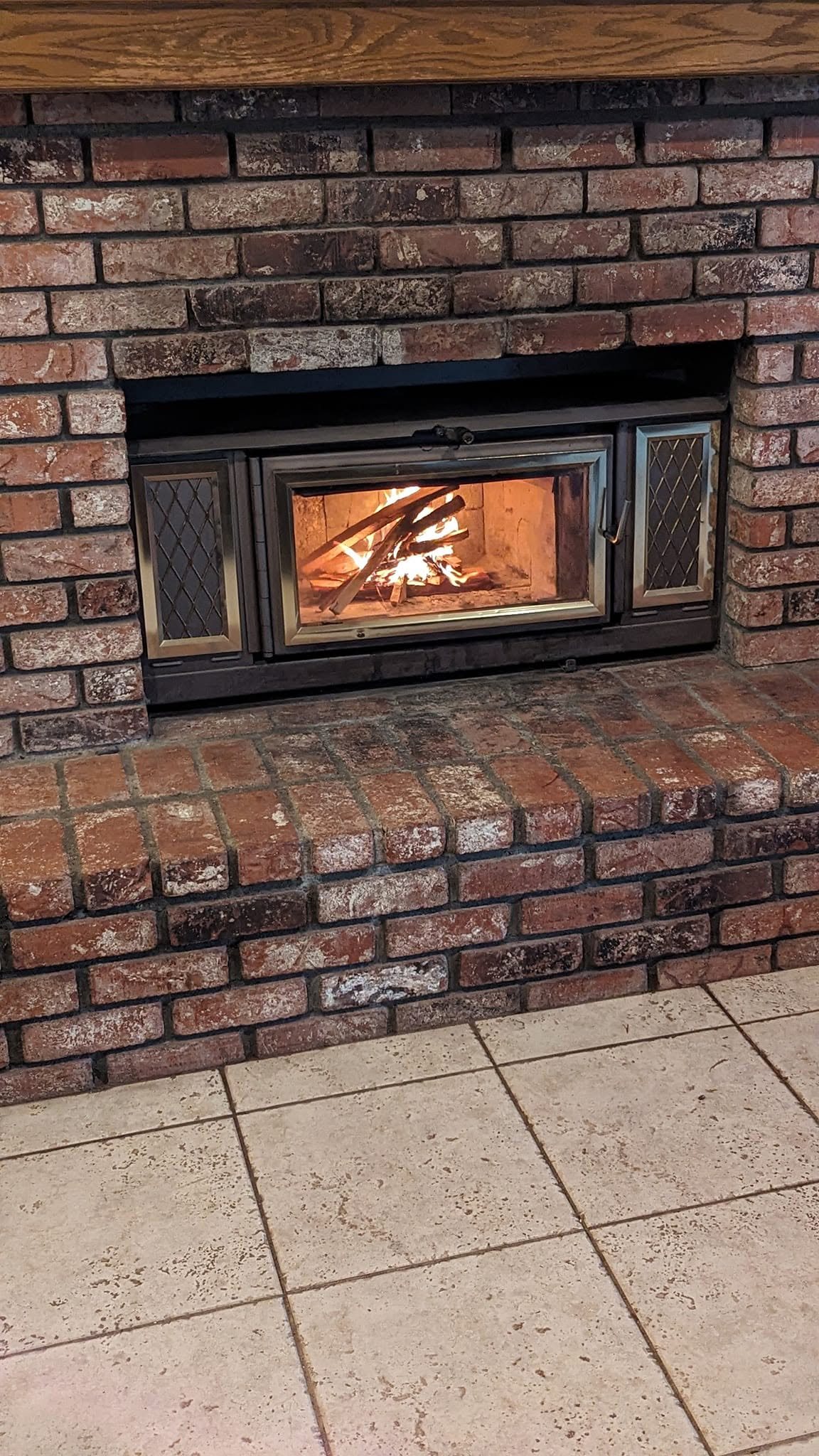
If the damper is rusted through, warped past sealing, or missing entirely, replacement is the answer. And it's an opportunity: a modern top-sealing damper mounts at the top of the flue and seals with a gasket, giving a far tighter seal than a traditional throat damper — while also keeping out rain and animals like a cap.
The top-sealing upgrade
Because a top-sealing damper addresses energy loss, downdrafts, water intrusion, and wildlife all in one component, many homeowners choose it when replacing a failed damper. It seals tighter and does the job of a cap too — solving several problems at once.