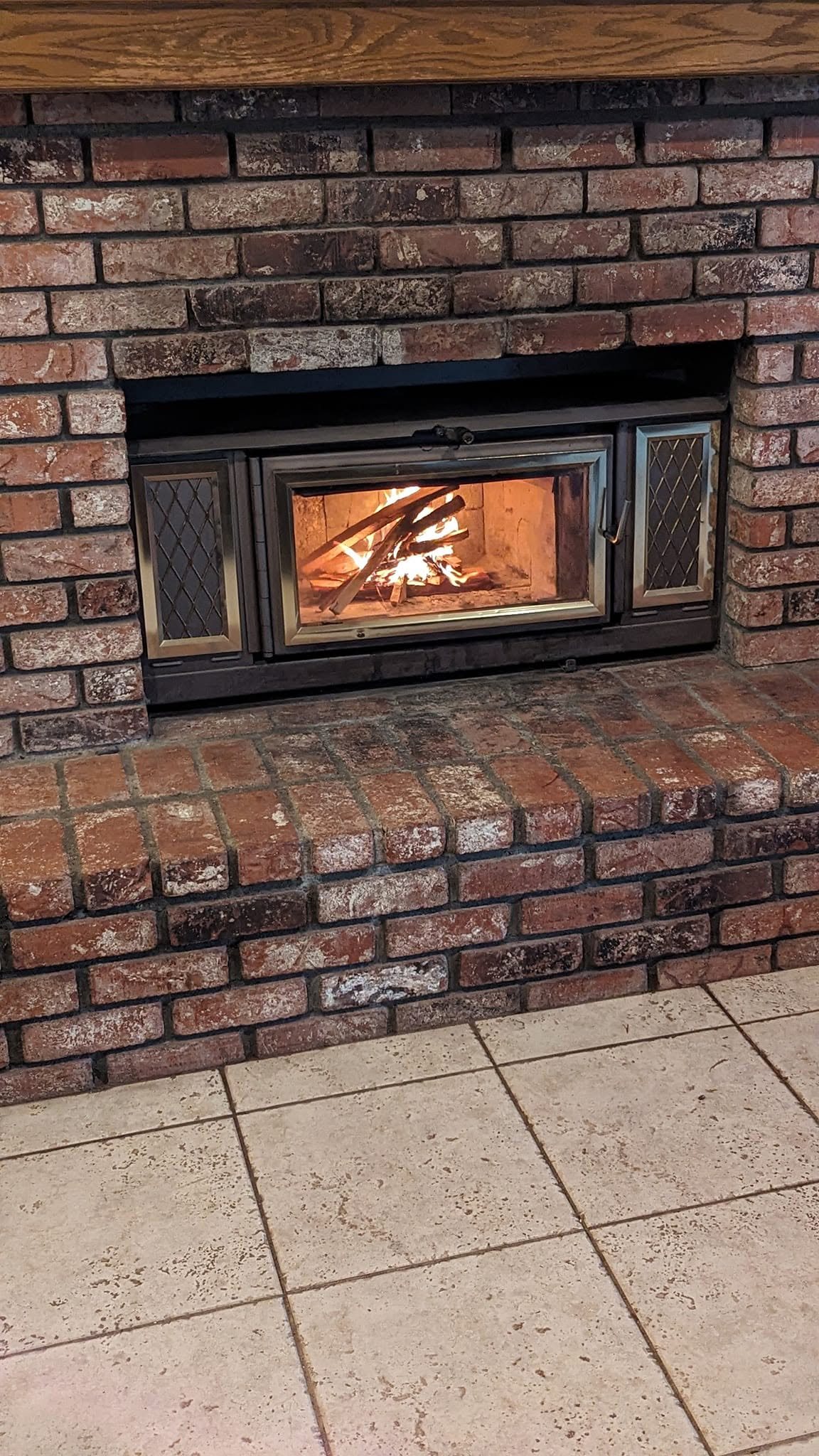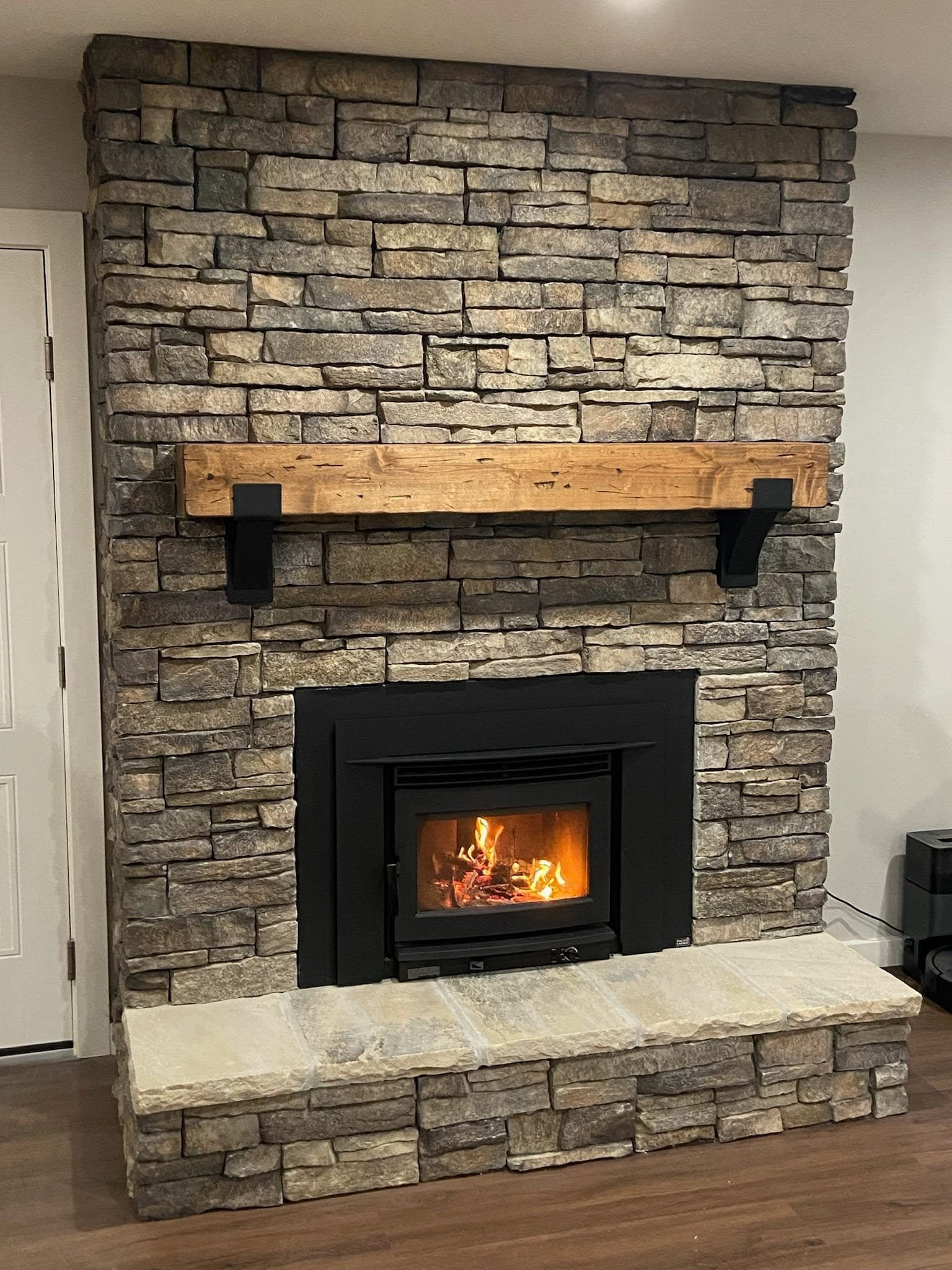
Adding a Gas Insert to an Older Fireplace
A gas insert can transform a drafty, inefficient old fireplace — if it's installed correctly. Here's what's involved.
Published March 19, 2026 · Roosevelt Chimney Works
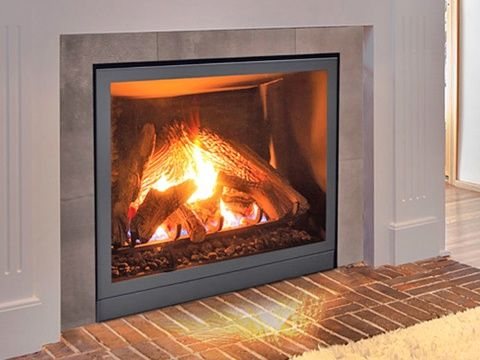
Many older Pittsburgh homes have big, beautiful open masonry fireplaces that look wonderful — and lose most of their heat straight up the chimney. A gas insert is a popular way to keep the character while gaining real efficiency and convenience. Here's what adding one actually involves.
Why homeowners choose inserts
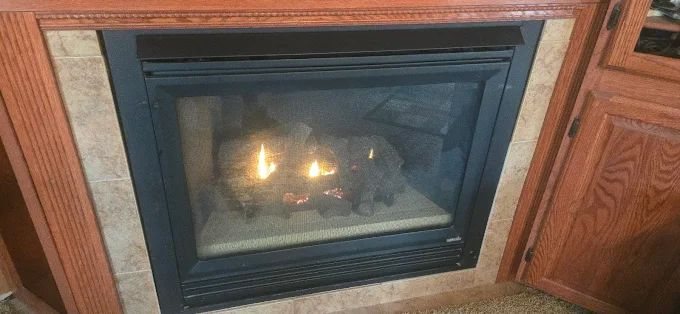
An open masonry fireplace is charming but inefficient — much of the warm air escapes up the flue, and it can even pull heated air out of the room. A gas insert is a sealed appliance that fits into the existing fireplace opening, delivering consistent heat, push-button convenience, and far better efficiency.
The venting is the key detail
Here's what many homeowners don't realize: a gas insert usually needs a correctly sized liner run up the existing flue for proper, safe venting. The old masonry flue was sized for an open fire, not a modern sealed appliance. Getting the venting and liner right is the difference between a safe, efficient installation and a problem waiting to happen.
What proper installation includes
- Selecting an insert sized to the fireplace opening and your heating goals.
- Running a correctly sized liner up the flue for safe venting.
- Ensuring proper connections and clearances.
- Verifying the finished unit drafts and operates correctly.
Keeping the character
The appeal of an insert is that it preserves your fireplace's look while modernizing its function. Done correctly, you keep the mantel, the surround, and the character of an original Pittsburgh fireplace — and gain heat you can actually feel. The whole project comes down to doing the venting and liner work properly.