Preparing Your Fireplace for a Pittsburgh Winter
Before the first cold snap, a little preparation makes your fireplace safer and more enjoyable all season. Here's a checklist.
Published September 25, 2025 · Roosevelt Chimney Works
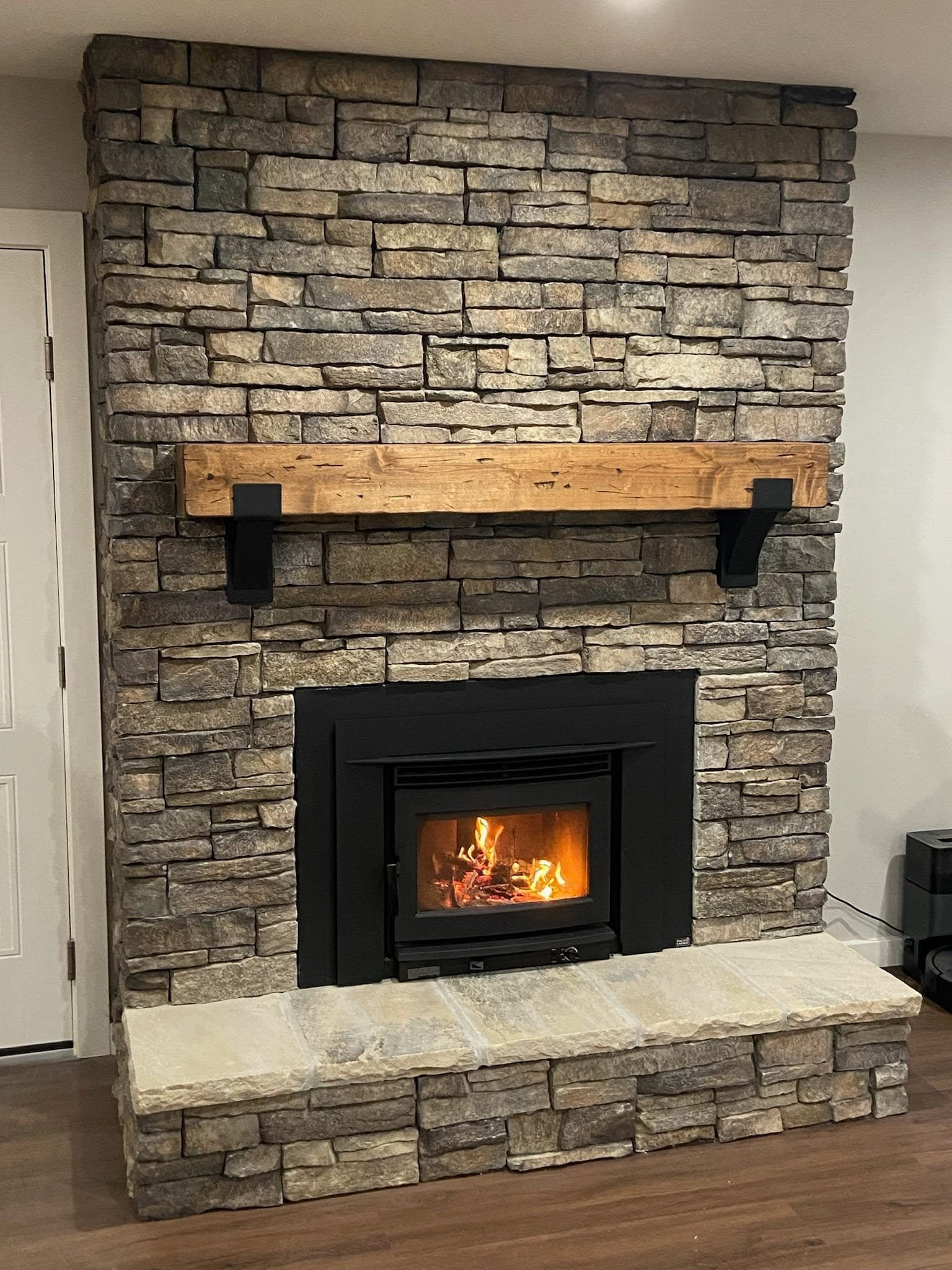
There's nothing like the first fire of the season — as long as your fireplace is ready for it. A bit of preparation before Pittsburgh's cold sets in keeps things safe, efficient, and enjoyable through a long heating season. Here's what to cover.
Schedule a cleaning and inspection
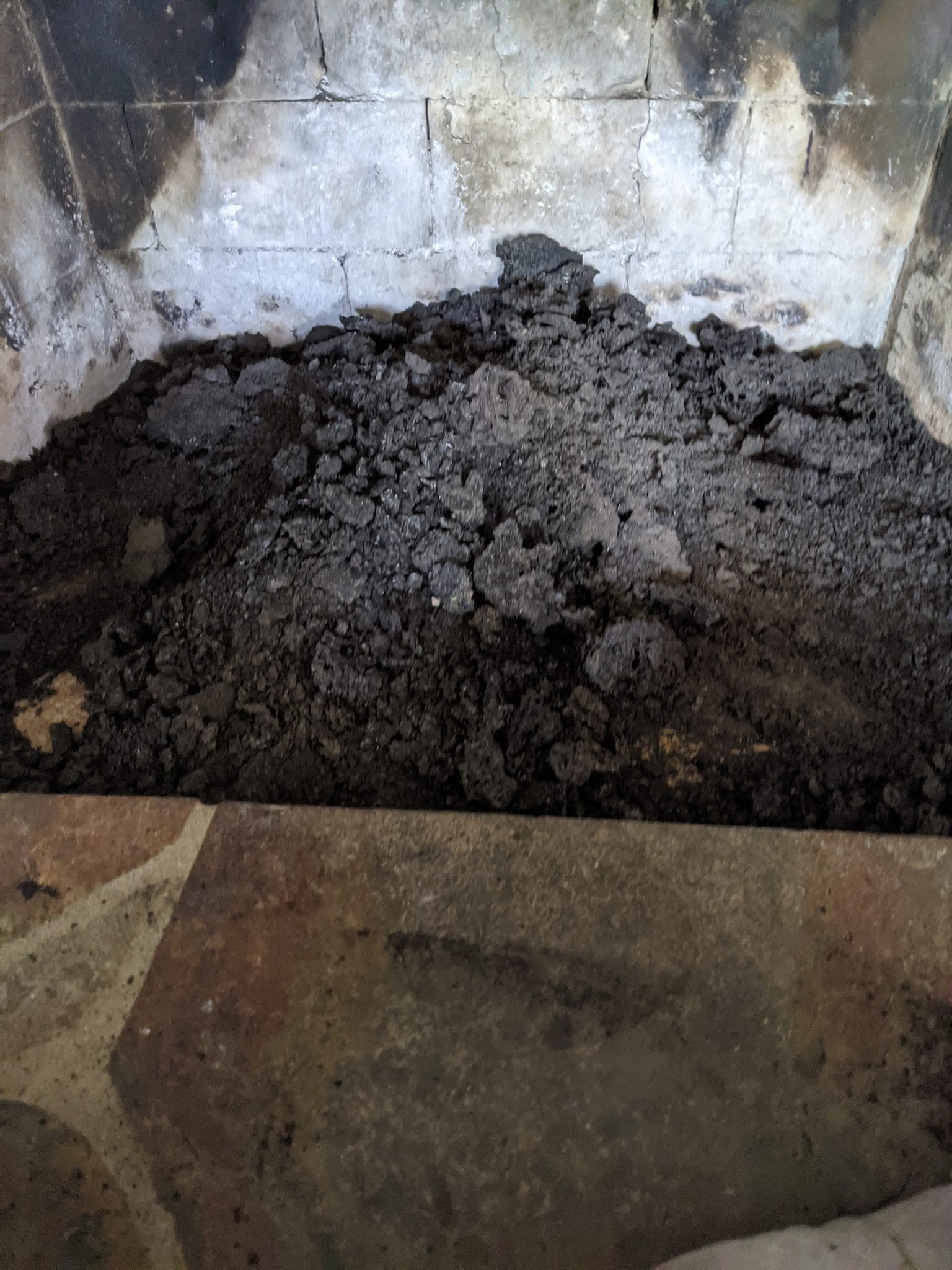
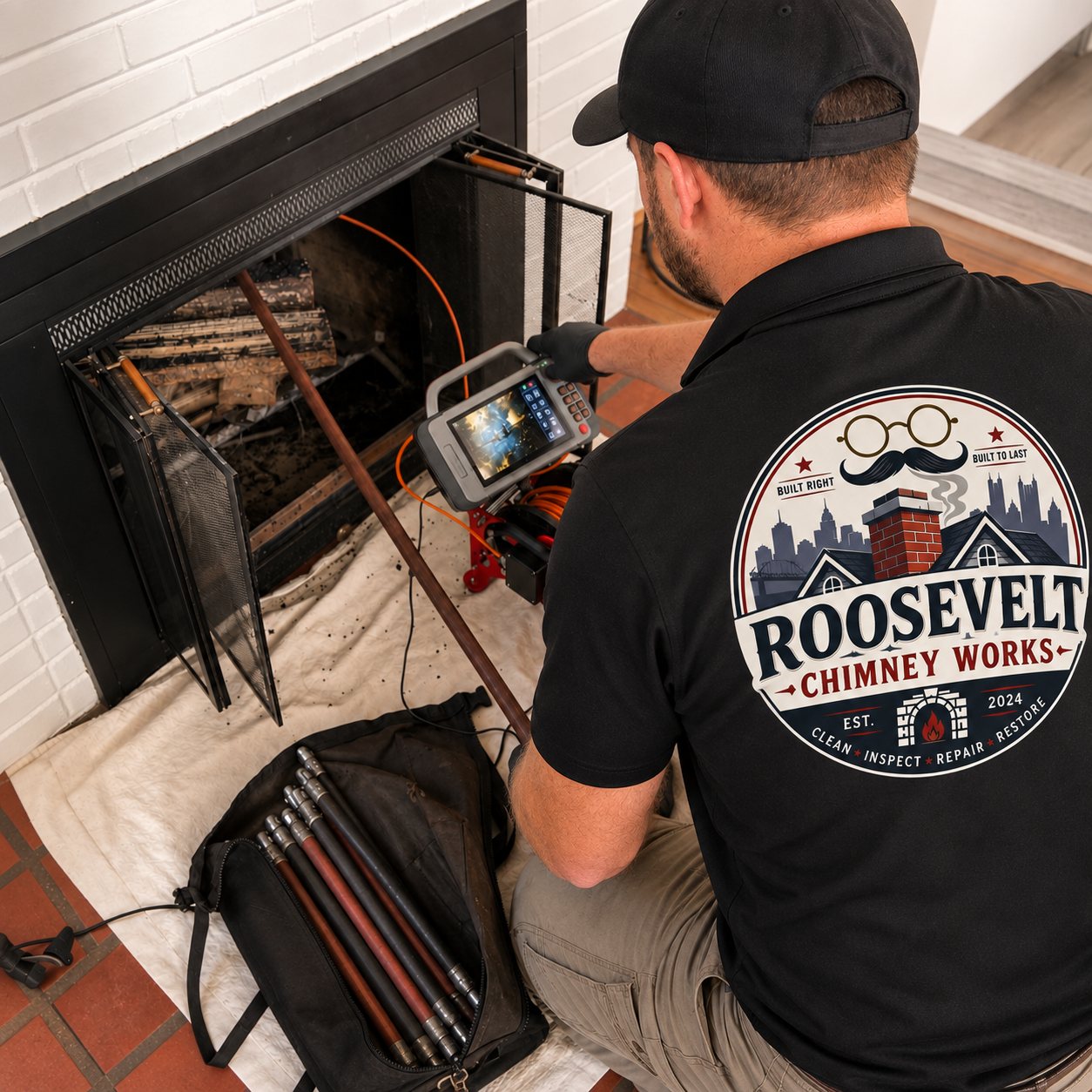
This is the big one. Before you burn, have the chimney cleaned to remove last season's creosote and inspected to catch any damage from the previous winter. Doing both before the season means you start with a clear, safe flue — and any freeze-thaw damage gets caught while it's minor.
Check the cap and crown
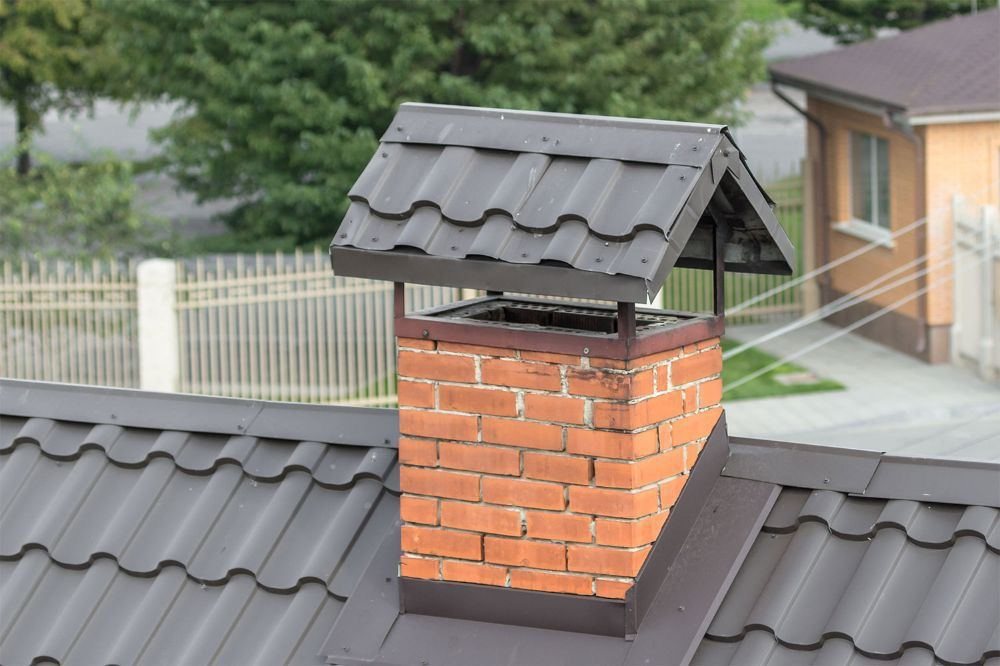
Make sure the cap is intact (keeping out rain and animals) and the crown is free of major cracks. These are your first defense against the water and snow that a Pittsburgh winter will throw at the chimney.
Test the damper
Open and close the damper to confirm it moves freely and seals when closed. A damper that won't seal wastes heat all winter; one that won't open is a smoke problem waiting to happen.
Stock proper firewood
Burn well-seasoned hardwood, not green or wet wood. Unseasoned wood produces far more creosote and burns poorly, increasing both maintenance and fire risk. If you're buying wood, make sure it's properly dried.
Check your detectors
Test smoke and carbon monoxide detectors and replace batteries. Any fuel-burning appliance makes working CO detection essential — it's a small step with outsized importance.
A quick pre-season checklist
- Chimney cleaned and inspected.
- Cap and crown checked for damage.
- Damper opens, closes, and seals.
- Well-seasoned firewood on hand.
- Smoke and CO detectors tested.