How Often Should You Clean a Chimney in Pittsburgh?
The honest answer depends on how much you burn and what you burn — but for most Pittsburgh homeowners, there's a clear rule of thumb.
Published October 2, 2025 · Roosevelt Chimney Works
It's the question we hear more than any other: how often does a chimney actually need cleaning? The short answer for most Pittsburgh-area homeowners is once a year, before the heating season. But the real answer depends on how you use your fireplace — and understanding why helps you make the right call for your home.
Why chimneys need regular cleaning
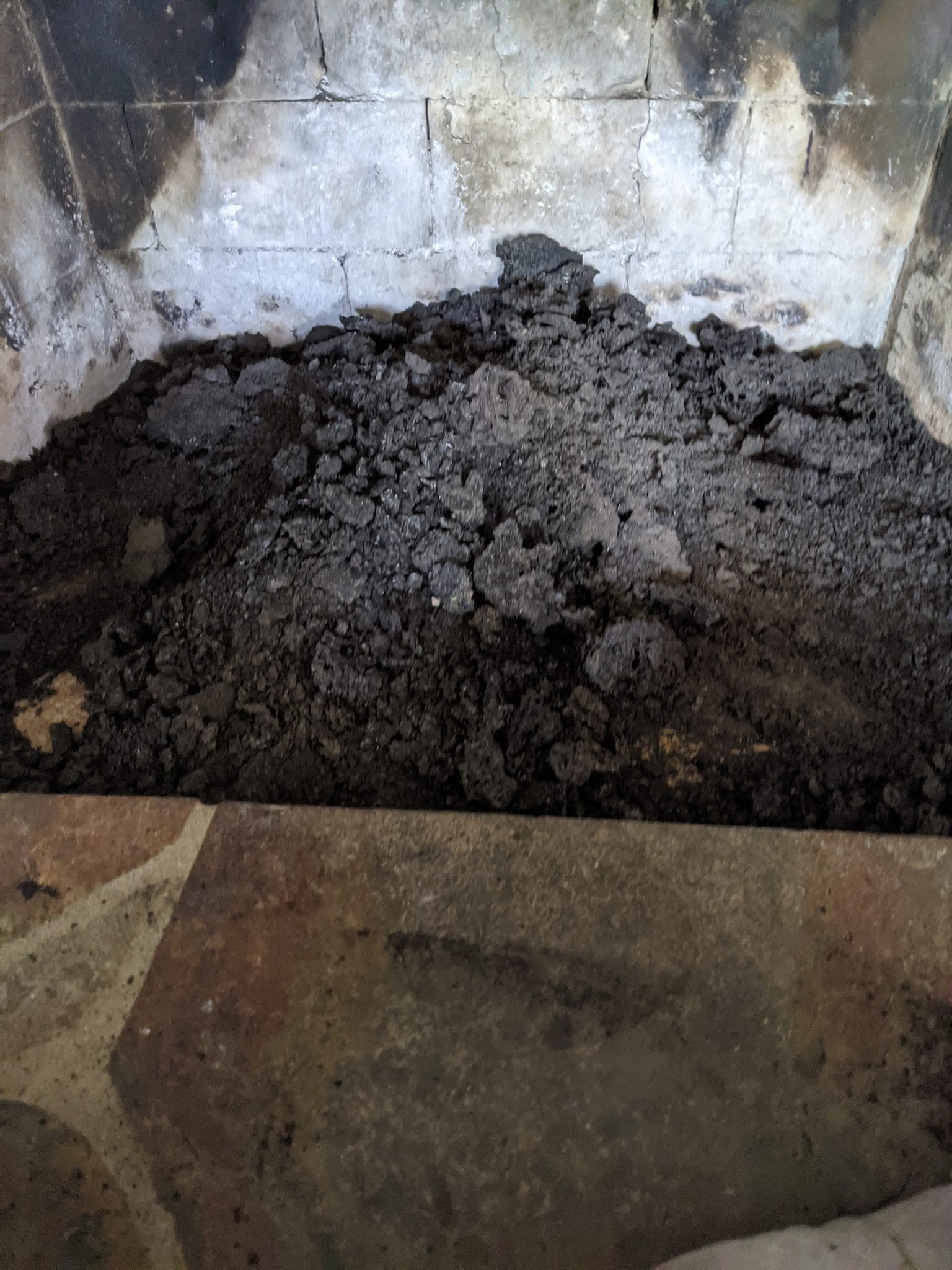
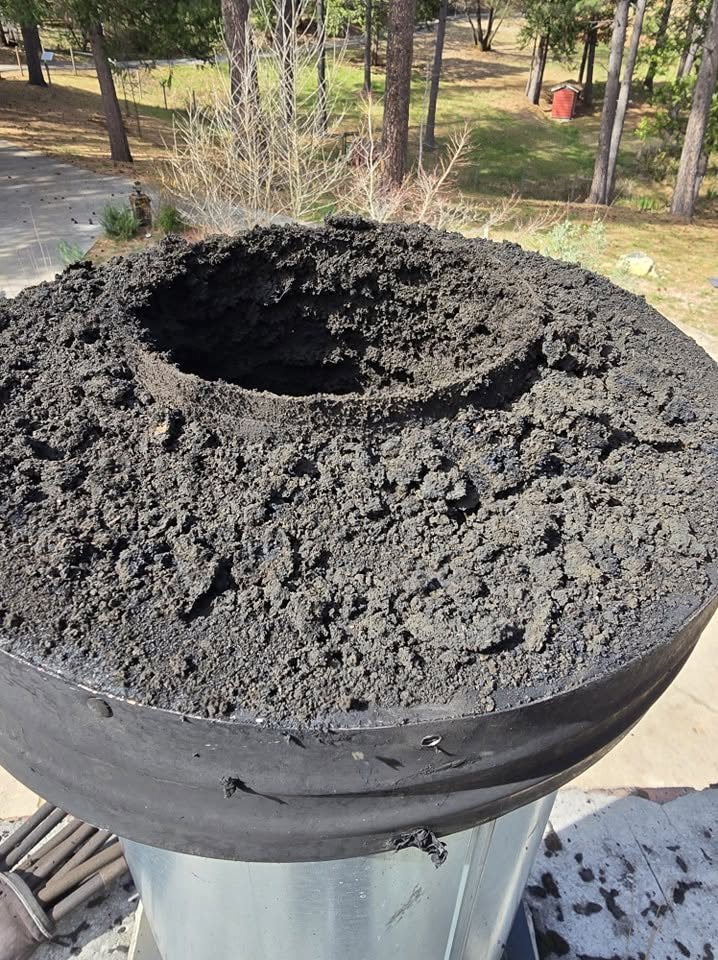
Every time you burn wood, combustion produces creosote — a tar-like substance that condenses on the inside walls of your flue as smoke cools on its way up. Creosote is flammable, and as it accumulates it becomes the leading cause of chimney fires. It also narrows the flue, which hurts draft and makes your fireplace harder to use.
Cleaning removes that buildup before it becomes dangerous. The more you burn, the faster creosote accumulates, which is why usage — not the calendar alone — drives the schedule.
A practical rule of thumb
A widely used guideline is to have the chimney inspected annually and cleaned when there's a meaningful layer of creosote — often described as about an eighth of an inch. For a household that burns regularly through the winter, that usually works out to once a year. Here's how usage changes things:
- Regular wood burners (a cord or more per season): clean annually, before winter.
- Heavy or daily burners: you may need cleaning more than once a season.
- Occasional users (a few fires a year): still inspect annually; clean as buildup warrants.
- Gas fireplace users: less creosote, but annual inspection is still important for venting and debris.
Why 'before winter' matters in Pittsburgh
Timing matters here more than in milder climates. Pittsburgh's heating season is long, so most burning happens in a concentrated stretch from fall through early spring. Cleaning before that stretch means you start the season with a clear, safe flue — and an annual inspection at the same time catches any freeze-thaw or water damage from the previous winter while it's still minor.
There's also the matter of unseasoned wood. Burning green or wet wood produces far more creosote than well-seasoned hardwood, so if you're not certain your wood is properly dry, err toward more frequent cleaning.
Signs you shouldn't wait
Regardless of the calendar, some signs mean it's time to call sooner: smoke rolling back into the room, a strong campfire smell near the firebox, visible black buildup on the flue walls, or a fire that's suddenly hard to start. Any of these suggests the flue needs attention now.