Signs a Chimney Liner Needs Replacement
A failing liner is a genuine safety issue. Here's how to recognize when relining is the right call.
Published November 27, 2025 · Roosevelt Chimney Works
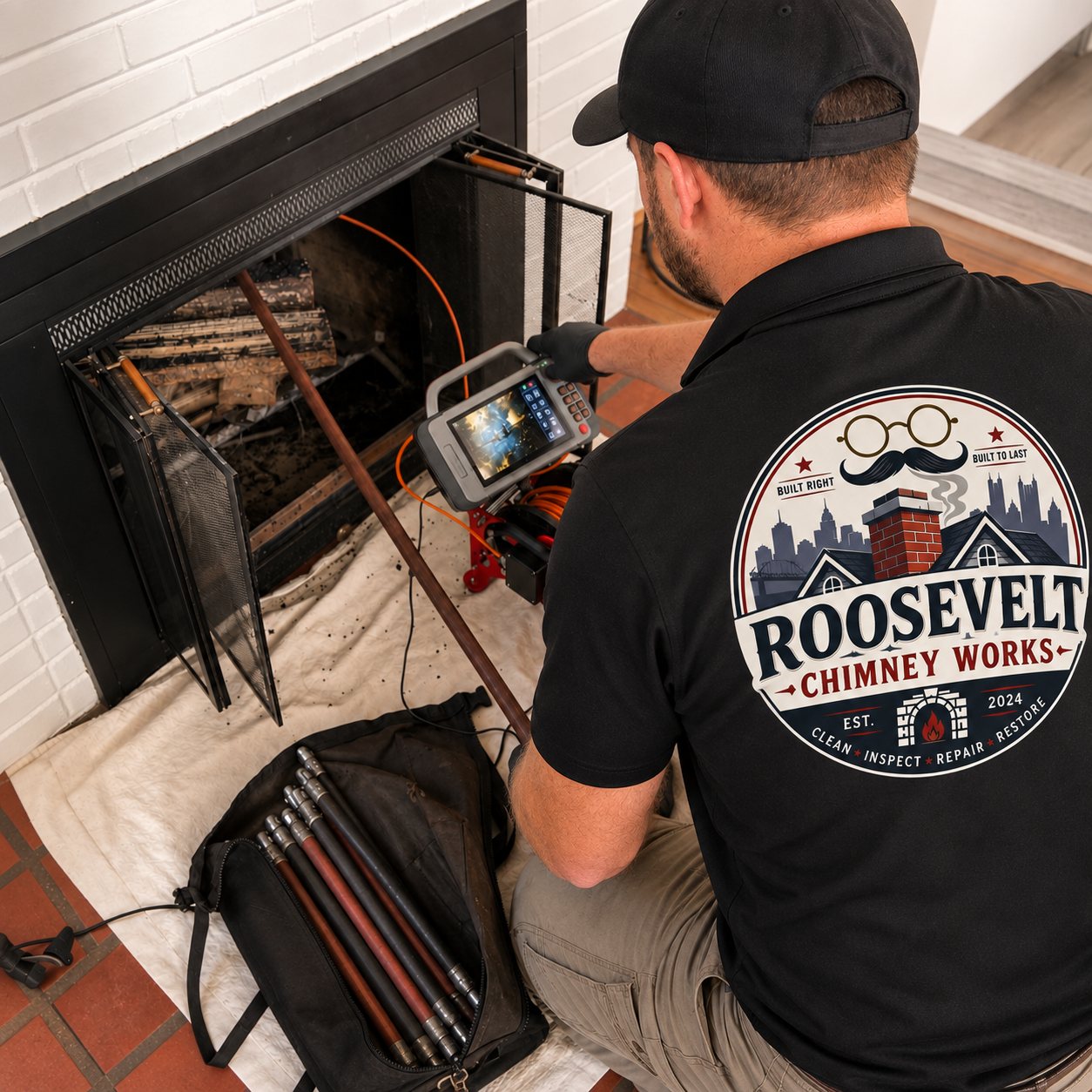
The liner contains heat and combustion gases and keeps them away from your home's structure. When it fails, that protection fails — so knowing the signs that a liner needs replacing is genuinely a safety matter. Here's what to watch for.
Tile pieces in the firebox
If you find pieces of clay tile in the firebox, the liner is actively deteriorating. It's one of the clearest signs that the liner has been compromised and needs attention.
Damage after a chimney fire
Even a small chimney fire can crack clay flue tiles from the sudden intense heat. After any chimney fire, the liner should be inspected — cracks may not be visible from below but can compromise safety.
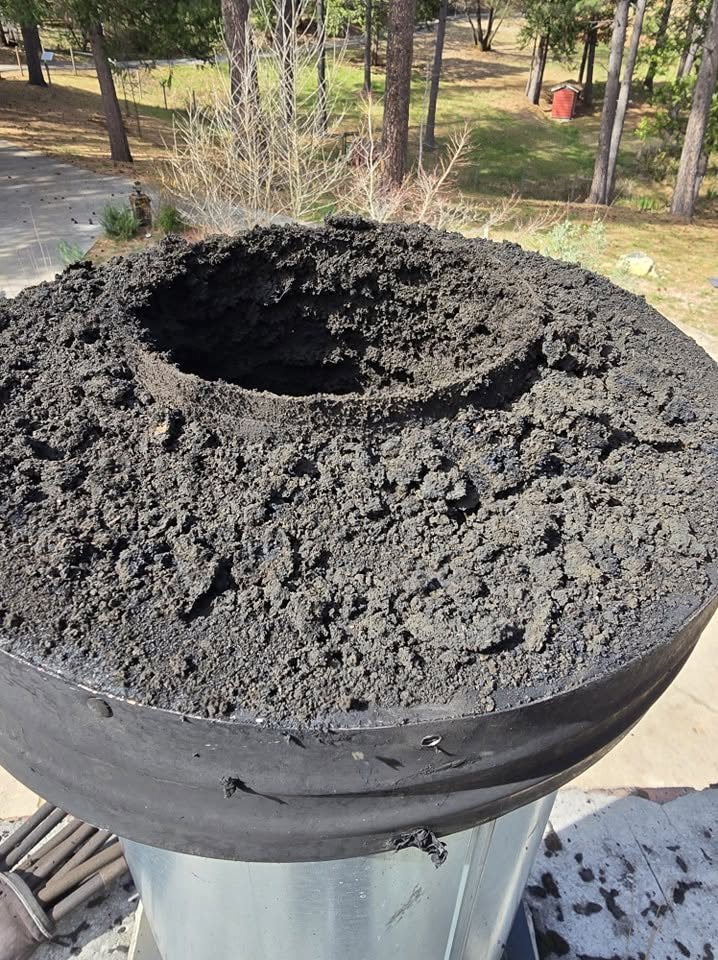
Widespread cracking on inspection
A camera inspection may reveal cracks, gaps at the joints, spalling tile, or (on metal liners) corrosion. Isolated damage can sometimes be repaired; widespread damage means relining is the safe, lasting answer.
An unlined or under-lined chimney
Some older chimneys were built with no liner, or with one that no longer meets the needs of a modern appliance. Adding a stove or insert often calls for a correctly sized liner as part of doing the job safely.
Why relining is often an upgrade
Replacing a failed liner with a properly sized stainless steel liner frequently outperforms the original: better draft, easier cleaning, and long service life. For older Pittsburgh homes where clay-tile liners have simply reached the end of their life, it's one of the most impactful safety improvements available.