What Is a Chimney Liner (and Why Does It Matter)?
The liner is your chimney's most safety-critical part — and the one homeowners understand least. Here's a plain-English guide.
Published November 20, 2025 · Roosevelt Chimney Works
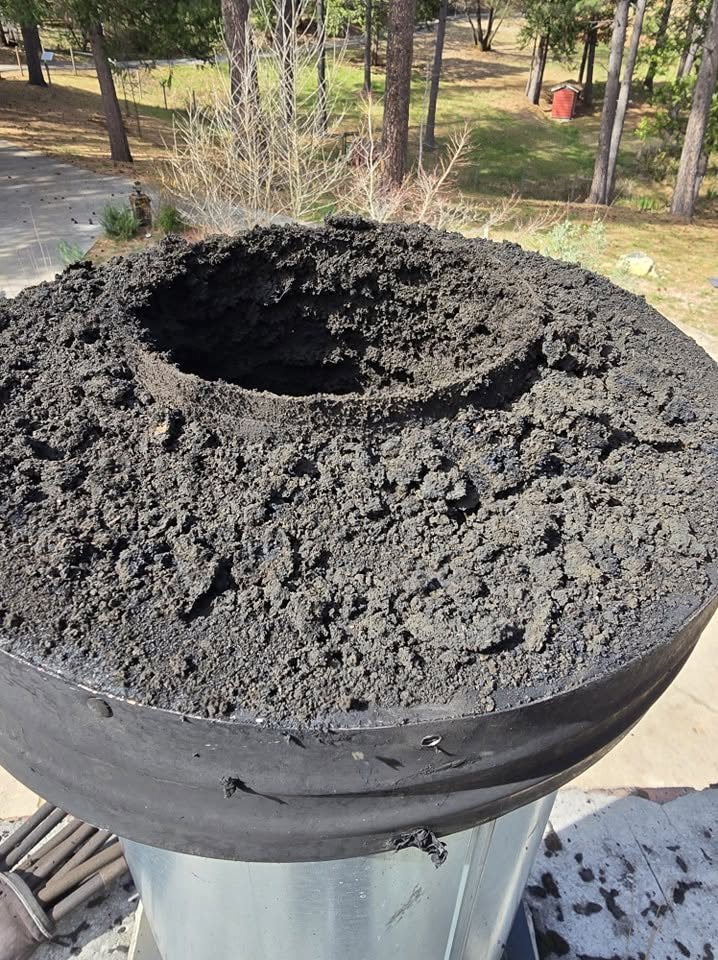
Ask most homeowners what a chimney liner does and you'll get a blank look — which is a shame, because the liner is arguably the most safety-critical part of the whole system. Here's what it is and why it matters.
What the liner is
The liner is the inner surface of your flue — the barrier that contains heat and combustion gases as they travel up and out. It keeps that intense heat away from the surrounding masonry and, crucially, away from your home's wood framing. It also protects the masonry from corrosive combustion byproducts.
The main types
- Clay tile — traditional, common in older homes, durable but prone to cracking with age and heat cycling.
- Metal (usually stainless steel) — versatile and durable, suits most modern wood, gas, and oil appliances.
- Cast-in-place — a poured liner that also reinforces the chimney structure.
Why a damaged liner is dangerous
When a liner cracks or develops gaps, its protective job fails. Heat can reach combustible framing — a fire risk — and combustion gases, including carbon monoxide, can seep into living spaces. This is why liner damage is never something to ignore.
How to know your liner's condition
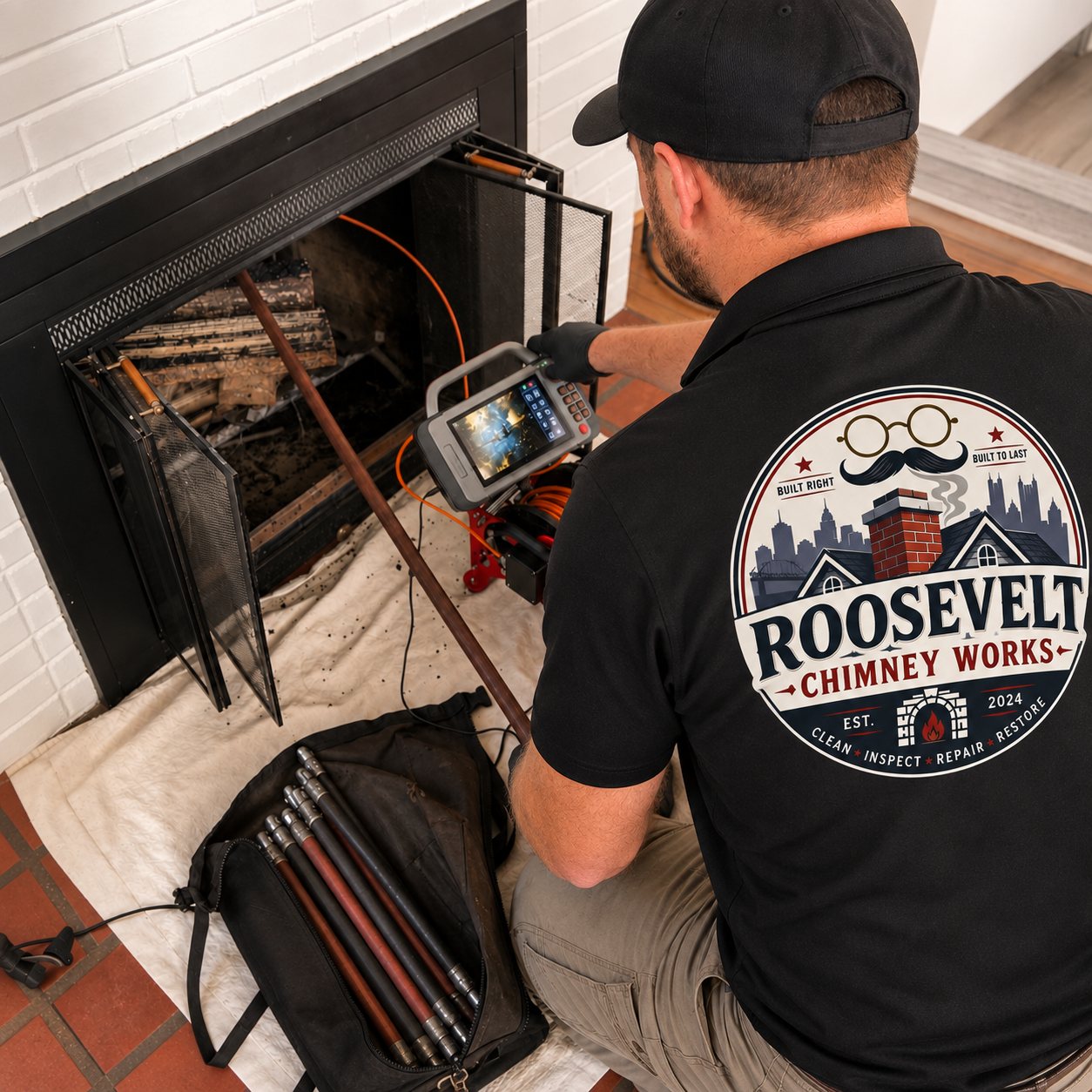
You can't tell from below with a flashlight. A camera inspection scans the full length of the liner and shows cracks, gaps, spalling, and corrosion. For older homes with original clay-tile liners — common across Pittsburgh — it's the only reliable way to know what you're working with.