
What Is Chimney Spalling?
If your chimney brick is flaking, pitting, or popping off, that's spalling — and it won't stop on its own.
Published December 11, 2025 · Roosevelt Chimney Works
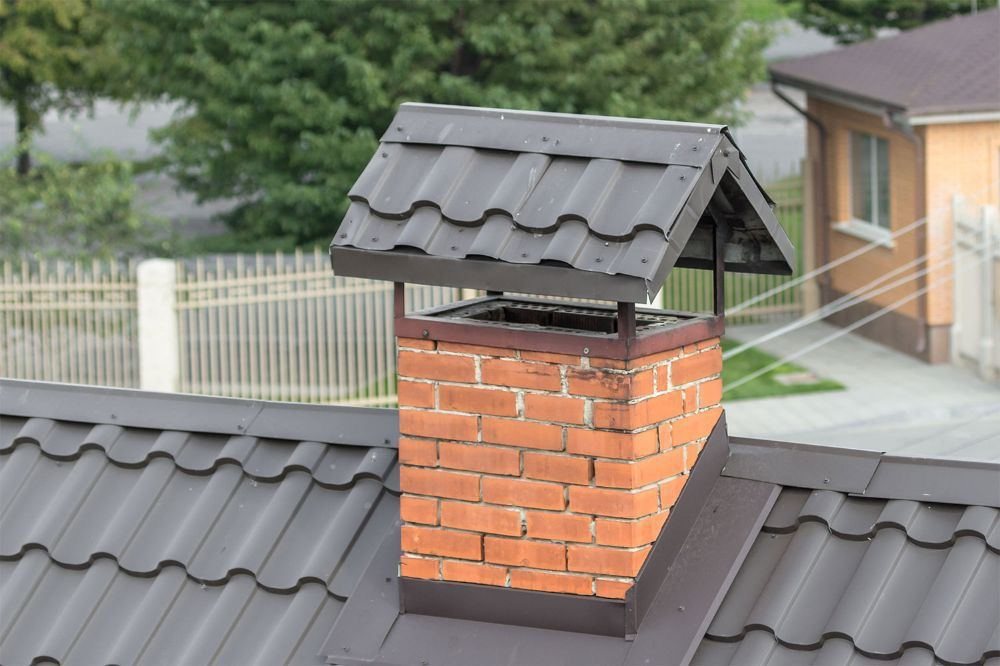
Spalling is one of those words you probably won't hear until a chimney professional points at your brick and says it. But it describes a common and progressive problem — and catching it early makes a real difference.
What spalling looks like
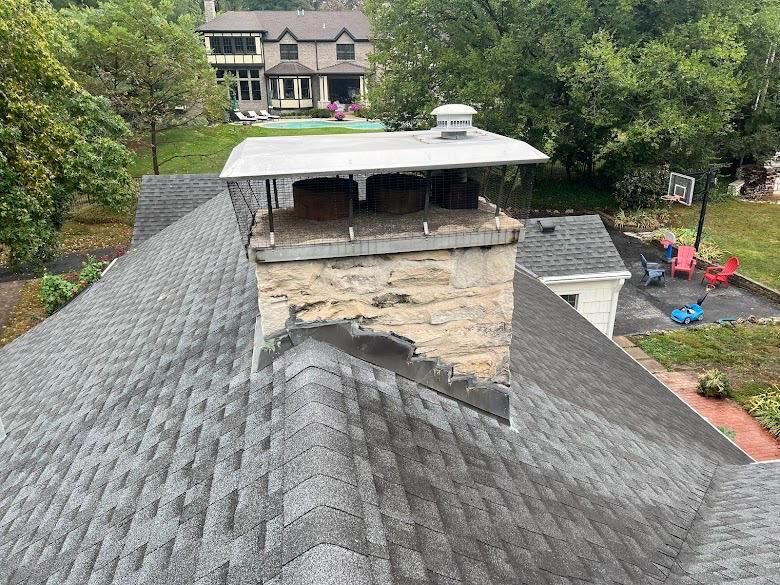
Spalling is when the face of the brick flakes, pits, crumbles, or pops off entirely. You might see fragments of brick collecting at the base of the chimney, rough or pockmarked surfaces where smooth brick used to be, or brick that looks like it's peeling in layers.
What causes it
The root cause is almost always water combined with freeze-thaw cycles. Brick absorbs moisture; when that moisture freezes and expands, it stresses the brick from the inside. Over enough cycles, the face breaks apart. In our climate, spalling is one of the most common forms of chimney deterioration.
Why it matters
Spalling isn't just cosmetic. As the brick face deteriorates, the masonry loses structural integrity and absorbs even more water, accelerating the damage. Left long enough, spalling can compromise the chimney to the point of needing rebuilding rather than repair.
What can be done
Caught early, spalling is managed by replacing damaged brick, repointing deteriorated joints, and — critically — stopping the water that caused it with waterproofing. There's an important detail here: using the wrong mortar (one harder than the brick) actually traps moisture and accelerates spalling, so matching materials correctly is essential.