Why Freeze-Thaw Cycles Damage Pittsburgh Chimneys
The single biggest threat to chimneys in Western Pennsylvania isn't fire — it's water and the freeze-thaw cycle. Here's how it works.
Published December 4, 2025 · Roosevelt Chimney Works
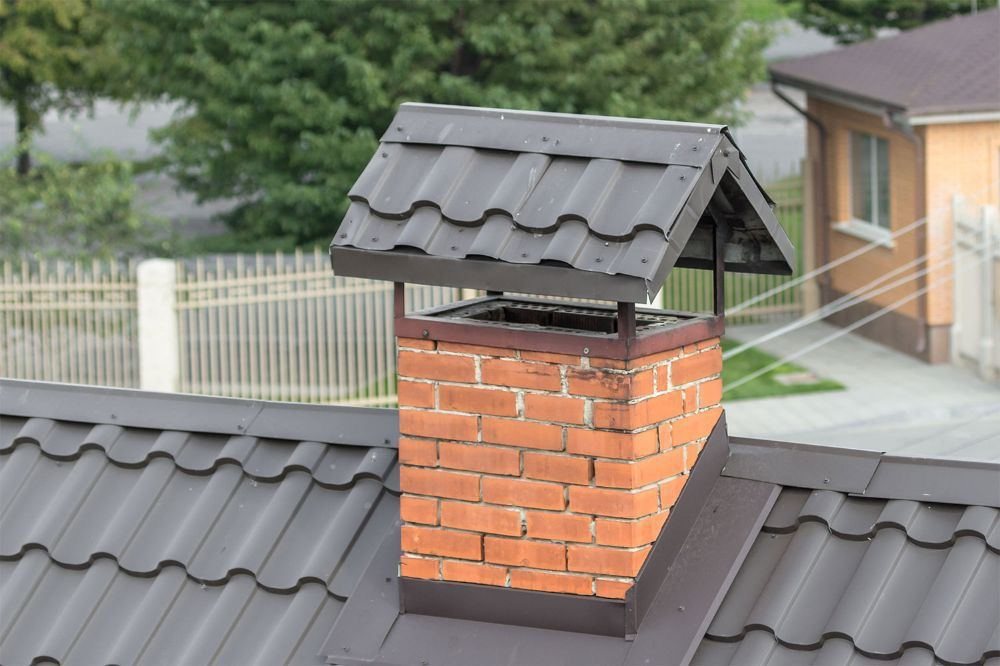
If you own a masonry chimney in the Pittsburgh area, the freeze-thaw cycle is the process quietly working against it every winter. Understanding it explains why so much chimney damage here traces back to water — and why timing repairs before winter matters so much.
How freeze-thaw damage happens
Brick and mortar are porous — they absorb water. When temperatures drop below freezing, that absorbed water turns to ice and expands by roughly nine percent. That expansion exerts pressure inside the masonry, widening tiny cracks and pores. When it thaws, the water seeps deeper. Repeat that cycle dozens of times a winter, year after year, and the cumulative damage is significant.
A hairline crack that let in a harmless trickle in November becomes an ice wedge in January. By spring, it's noticeably bigger.
What it does to your chimney
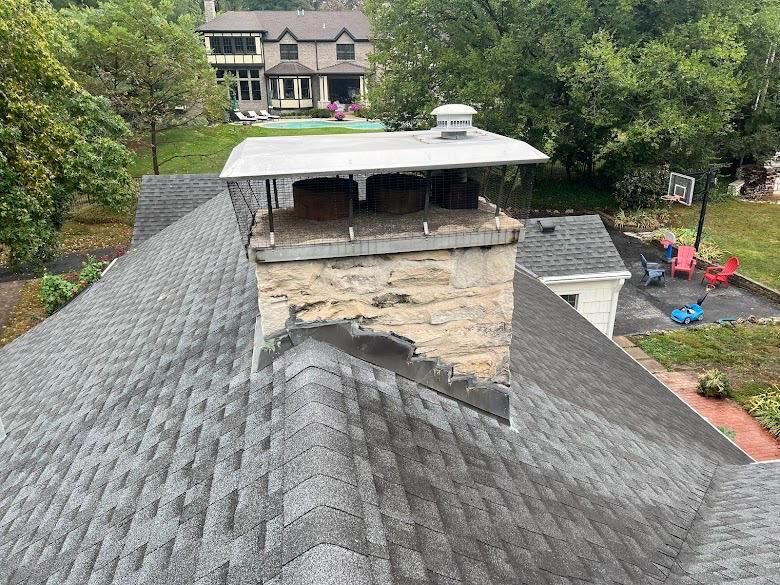
The freeze-thaw cycle is behind most of the masonry problems we see:
- Spalling — brick faces flaking and popping off.
- Cracked and crumbling mortar joints.
- Cracked crowns.
- Widening cracks that let in still more water.
Why Pittsburgh is especially tough
Our climate delivers exactly the conditions that drive this damage: plenty of precipitation and temperatures that swing across the freezing point repeatedly through the season. Combined with a large stock of older masonry chimneys, that makes freeze-thaw damage one of the defining chimney issues in the region.
How to fight back
The defense is straightforward: keep water out. That means sound crowns and caps, intact flashing, well-maintained mortar joints, and — the finishing touch — a breathable waterproofing sealer that repels liquid water while letting the masonry dry. Address these before winter and you interrupt the cycle before it starts.