Do I Need a Chimney Cap?
It's one of the cheapest parts of your chimney — and it prevents some of the most expensive problems. Here's why.
Published November 13, 2025 · Roosevelt Chimney Works
If your chimney doesn't have a cap — or has a rusted, damaged one — it's worth fixing sooner rather than later. The cap is inexpensive, but it prevents a surprising number of costly problems. Here's the case for it.
What a cap actually does
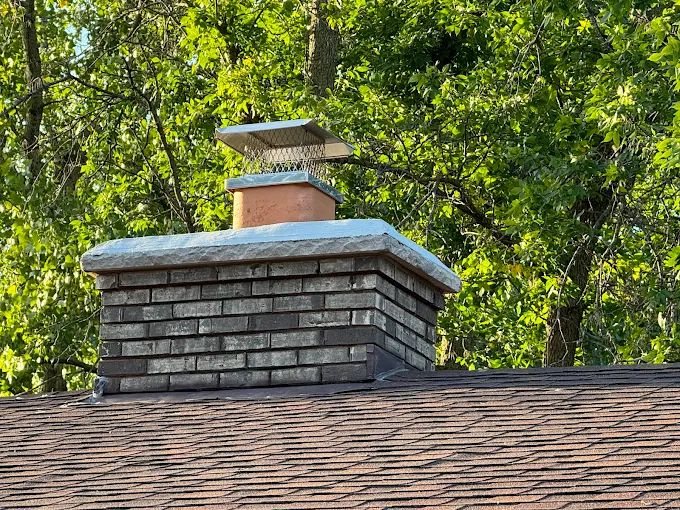
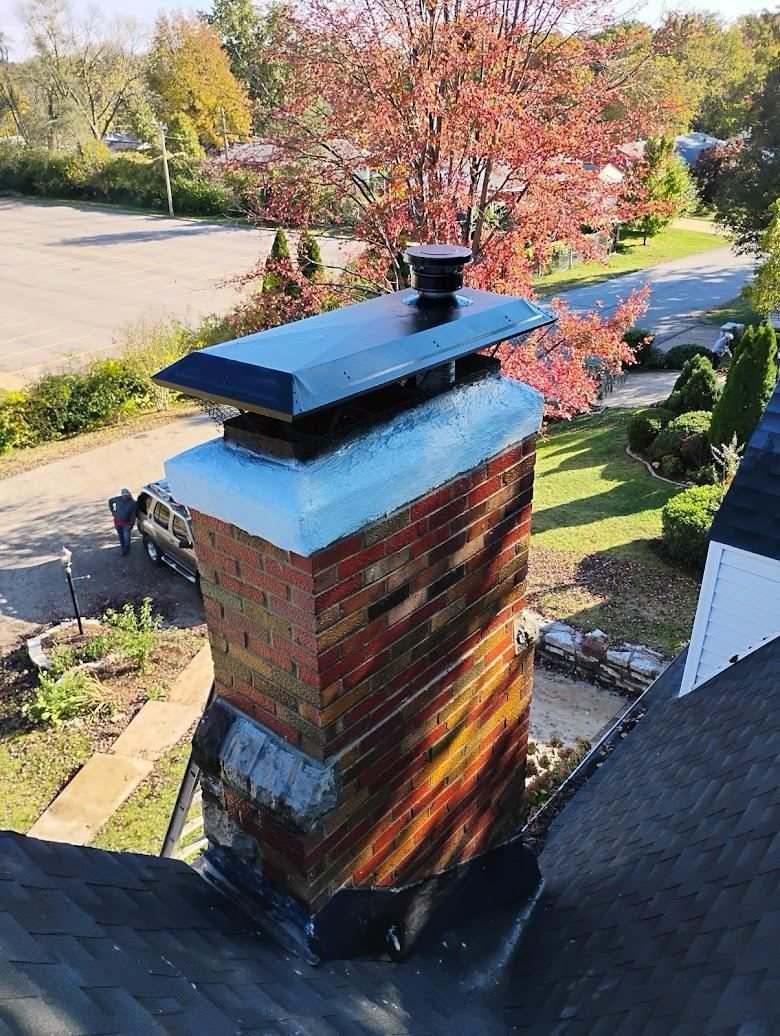
The cap sits over the flue opening and does several jobs at once:
- Keeps rain out of the flue — a major source of interior water damage, rust, and stains.
- Blocks birds, squirrels, and raccoons from nesting inside.
- Stops leaves and debris from clogging the passage.
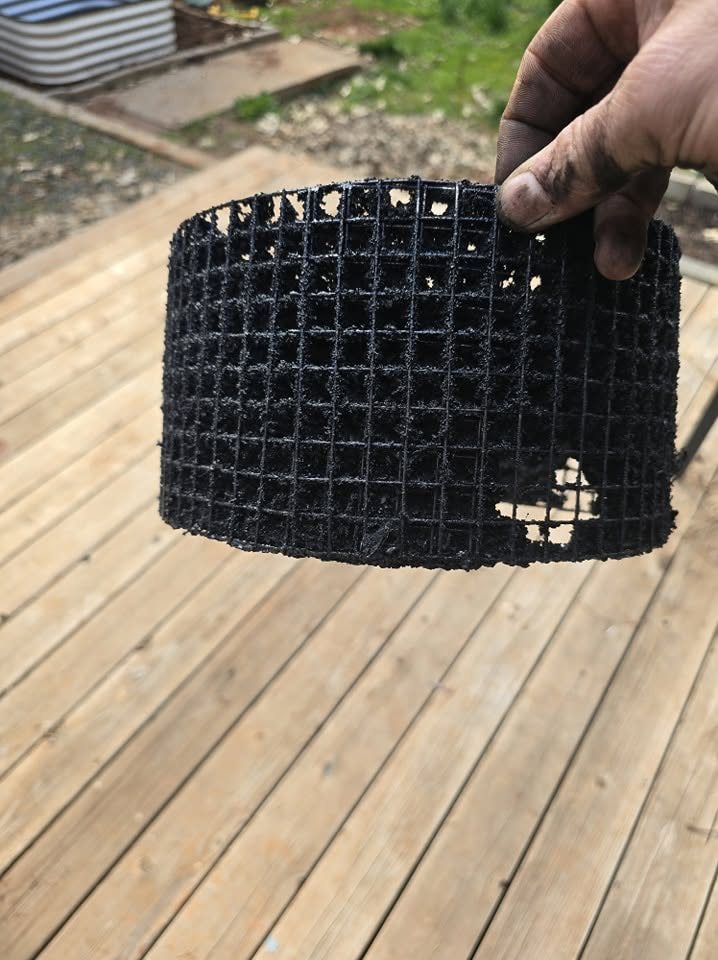
- Includes a spark-arrestor screen that keeps embers off your roof.
- Helps reduce downdrafts that push smoke and odors into the room.
What happens without one
An uncapped flue is an open invitation. Rain falls straight in, leading to water in the firebox, a rusted damper, and interior stains. Animals climb or fall in to nest, causing blockages, odors, and sometimes a trapped animal. Debris accumulates. And downdrafts push smells into your living room. We're called about all of these — and a cap heads off every one.
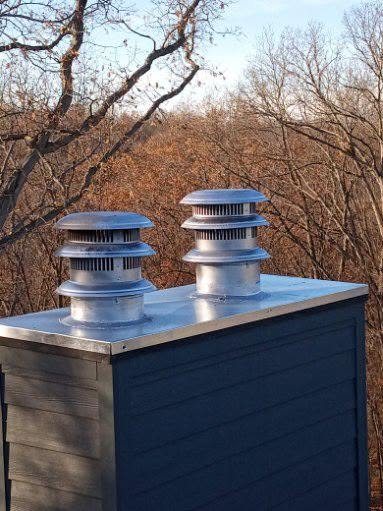
Choosing a cap
Caps need to be sized to your flue and fitted securely — an ill-fitting cap can blow off or fail to seal. Stainless steel handles most needs and resists rust; custom caps add durability and a distinctive look. The key is correct sizing and a solid installation.