Chimney Flashing Leaks: The Seam That Fails
Flashing is a leading cause of chimney leaks — and one of the most commonly misdiagnosed. Here's what to know.
Published February 12, 2026 · Roosevelt Chimney Works
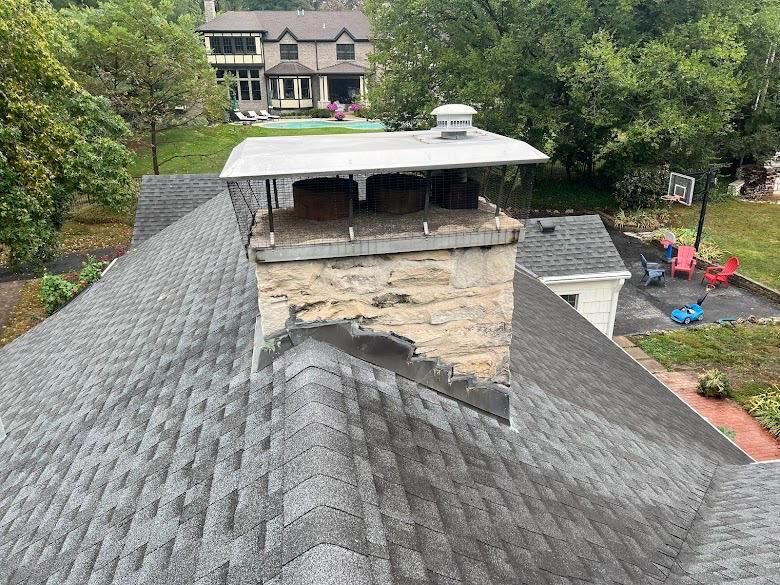
When a chimney leaks, the flashing is one of the first places a knowledgeable professional looks — and for good reason. The seam where the chimney meets the roof is under constant assault from runoff, and it's a leading source of the leaks we're called to fix.
What flashing is
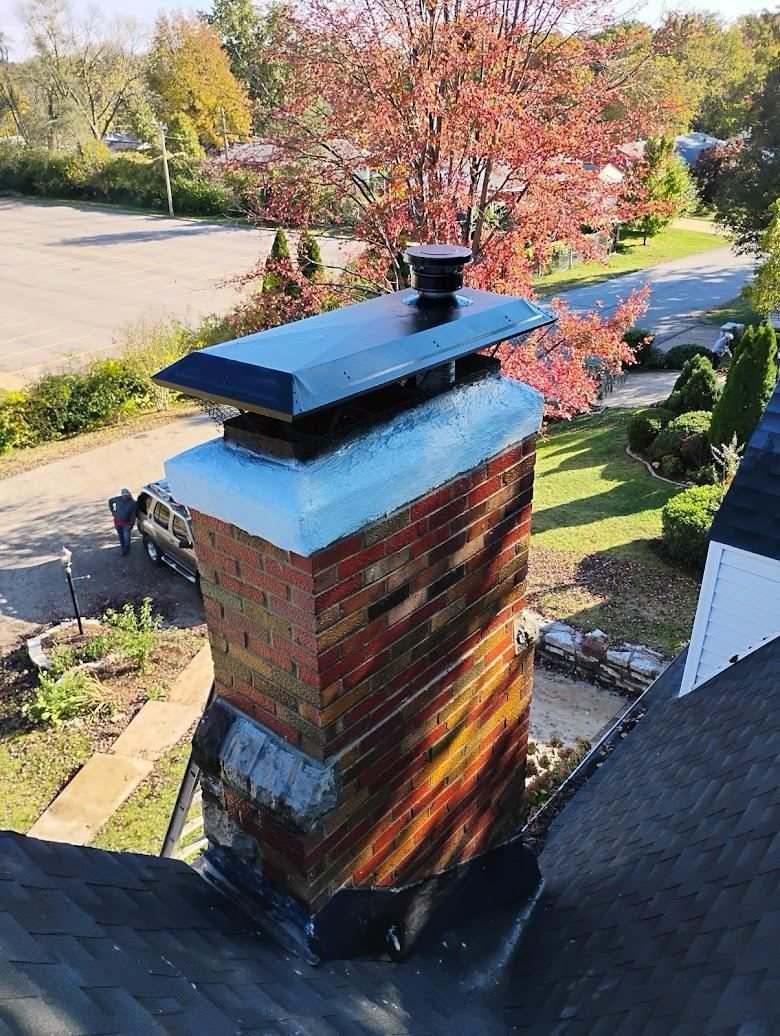
Flashing is the metal that seals the joint where your chimney passes through the roof. Done right, it's a layered system — base flashing integrated into the roof and counter flashing cut into the masonry — that channels water away from that vulnerable seam. Done wrong, or once it fails, water goes straight into the roof and ceiling below.
Why flashing fails
- Corroded or lifted metal after years of exposure.
- Cracked or peeling tar and sealant used as a shortcut.
- A poor original installation that never sealed properly.
- Damage from storms, ice, or heavy snow loads.
Why it gets misdiagnosed
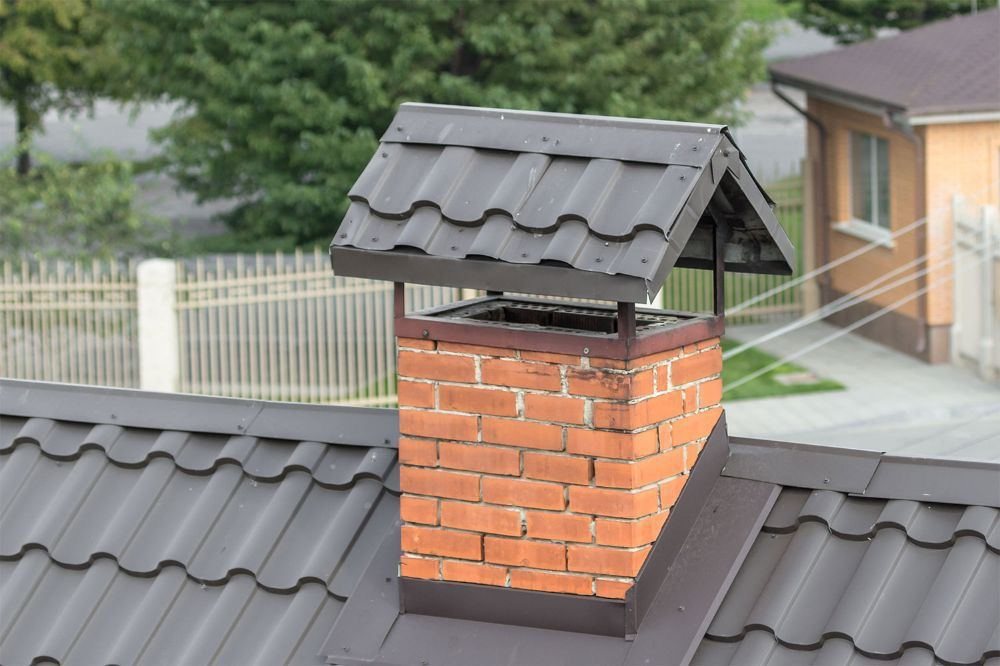
Flashing sits at the intersection of roofing and chimney work, so it often falls between the cracks — roofers may blame the chimney, chimney folks may blame the roof. The result is a leak that gets 'fixed' repeatedly without ever being solved. Treating the flashing-to-masonry seal correctly is what actually stops it.
The lasting fix
Tar and caulk are temporary surface patches that crack and peel with sun and temperature swings. The lasting solution is properly integrated metal flashing, cut into the mortar so water can't get behind it. That's the difference between a leak that keeps coming back and one that's genuinely gone.