Why Is My Chimney Leaking? The 4 Usual Suspects
A leaking chimney is one of the most misdiagnosed problems in a house. Here are the four places water usually gets in.
Published October 30, 2025 · Roosevelt Chimney Works
Water stains near the fireplace. A musty smell after it rains. Rust in the firebox. These all point to a leaking chimney — but the actual entry point is usually somewhere you wouldn't guess. Because there are several common culprits and each needs a different fix, guessing is expensive. Here are the four usual suspects.
1. The crown
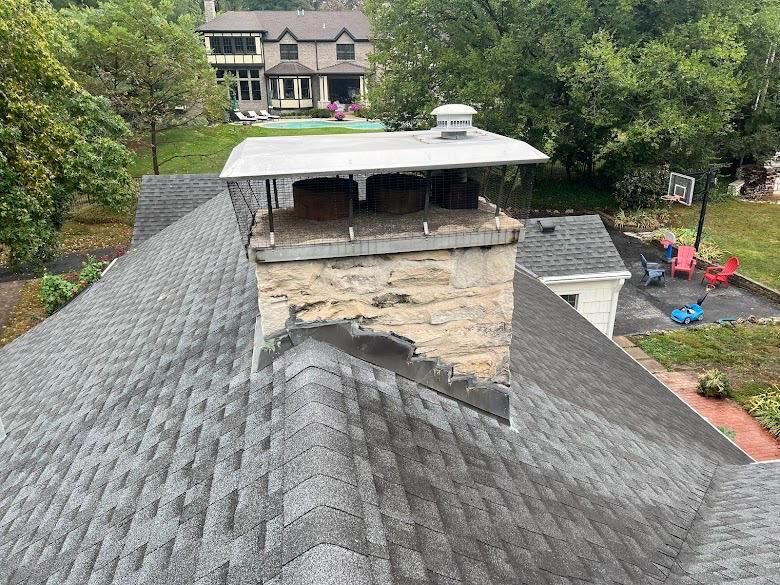
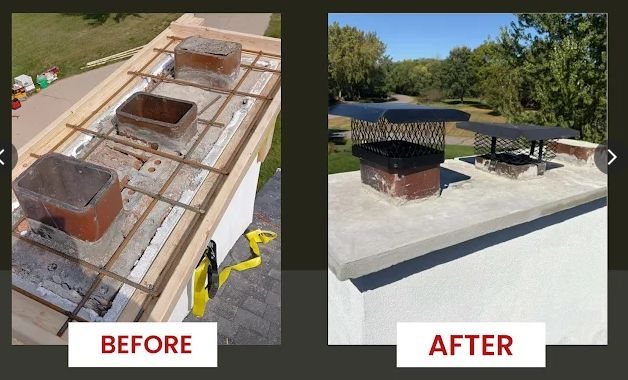
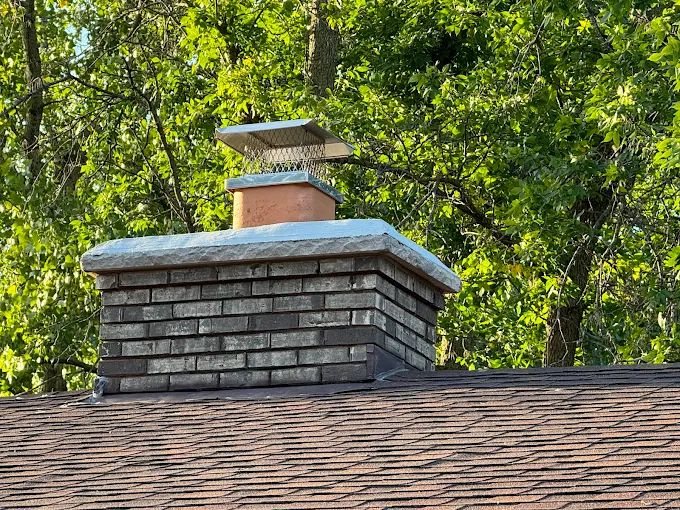
The crown is the sloped slab at the very top of the chimney. It's fully exposed to sun and freeze-thaw, so it cracks over time — and once it does, water flows straight down into the masonry below. Cracked crowns are one of the most common leak sources we find.
2. The cap
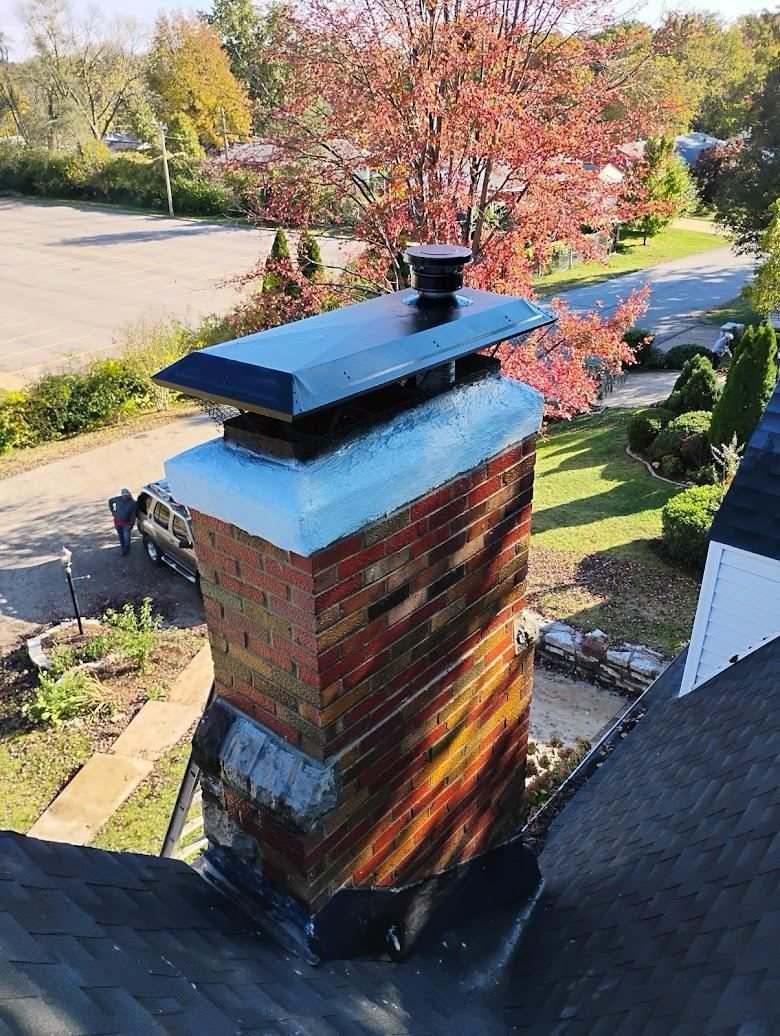
The cap covers the flue opening itself. Without one — or with a rusted, damaged one — rain falls directly into the flue, leading to water in the firebox, rust on the damper, and interior stains. A cap is inexpensive and prevents several expensive problems.
3. The flashing
Flashing is the metal that seals the joint where the chimney passes through the roof. It's a top leak source because that seam takes constant runoff. Failed sealant, corroded metal, or a poor original installation all let water into the roof and ceiling below.
4. The masonry itself
Brick and mortar are porous — they absorb water like a sponge. On older or unsealed chimneys, water soaks straight through the masonry. That's where waterproofing with a breathable sealer comes in.
Why diagnosis comes first
The wrong fix on the right symptom solves nothing. A crown repair won't stop a flashing leak, and new flashing won't help porous brick. That's why we diagnose the actual entry point — often more than one — before repairing. Then we confirm the leak is genuinely stopped.