Chimney Repair vs. Rebuild: Which Do You Need?
A rebuild is a big investment. Here's how to tell whether your chimney genuinely needs one — or whether repair will do.
Published January 15, 2026 · Roosevelt Chimney Works
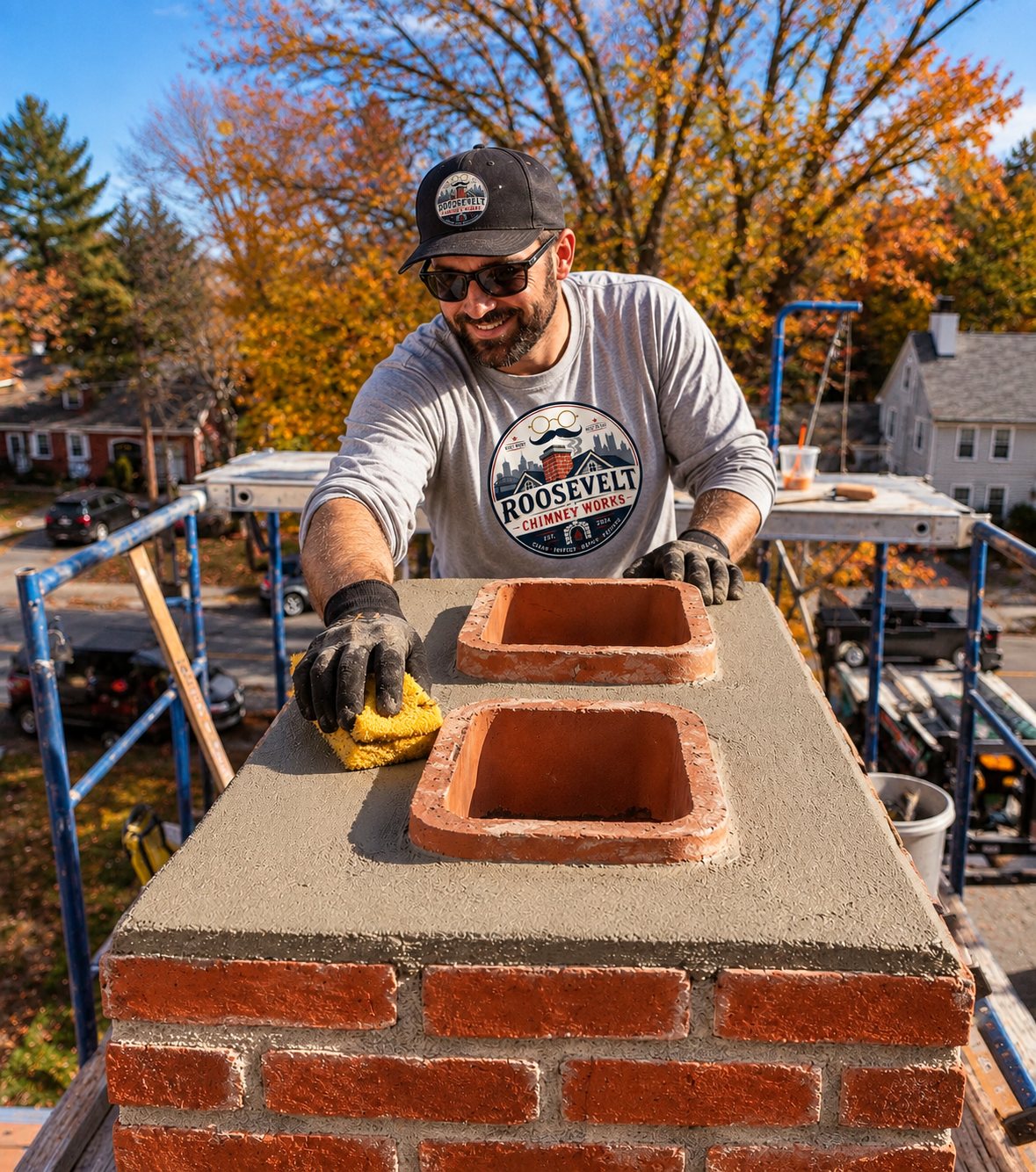
When a chimney is in rough shape, the big question is whether it can be repaired or needs rebuilding. Since a rebuild is a significant investment, it's worth understanding what drives the decision — and being wary of anyone who jumps straight to the most expensive option.
When repair is the right call
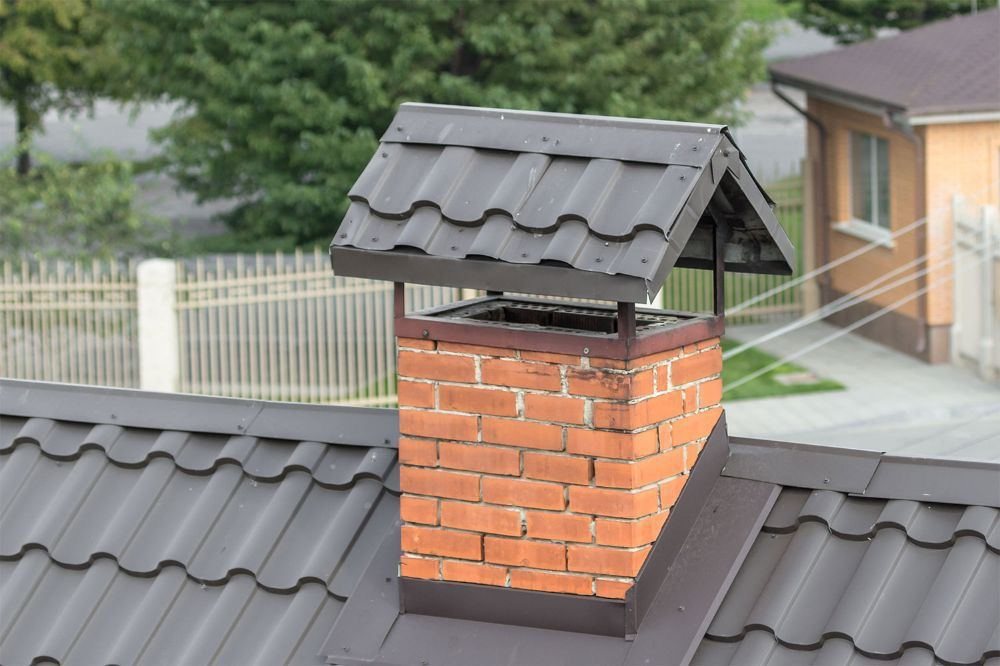
Most chimney problems are repairable. Isolated cracked mortar, a damaged crown, failed flashing, spalling in a limited area, or liner damage in part of the flue can typically be addressed with targeted repairs — repointing, crown work, new flashing, brick replacement, or relining. If the underlying structure is sound, repair is almost always the better value.
When a rebuild is warranted
Rebuilding becomes the honest answer when deterioration has gone too far for repair to hold:
- Widespread spalling across the whole stack.
- Large sections of missing or crumbling mortar.
- A chimney that's visibly leaning or bowing.
- Loose, shifting bricks near the top.
- Repairs that no longer hold because there's too little sound material to work with.
The partial rebuild option
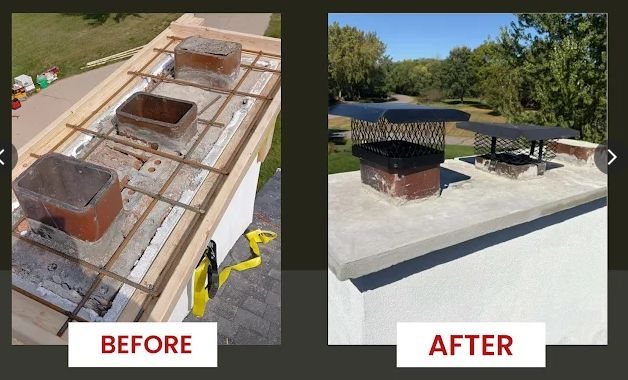
There's a middle path worth knowing about. Most deterioration concentrates above the roofline, where the masonry is fully exposed to weather. A partial rebuild replaces just that section while preserving the sound structure below — often the most cost-effective route back to a safe, watertight chimney, and far less costly than a full rebuild.
Getting an honest answer
The right recommendation comes from assessing the whole structure, not just the worst-looking spot. A trustworthy chimney professional will show you the actual condition and recommend the least invasive fix that genuinely solves the problem. If someone recommends a full rebuild without a thorough look, get a second opinion.