
Mortar Deterioration: The Quiet Chimney Problem
Failing mortar joints are easy to overlook — and they're the entry point for the water that damages everything else.
Published April 23, 2026 · Roosevelt Chimney Works
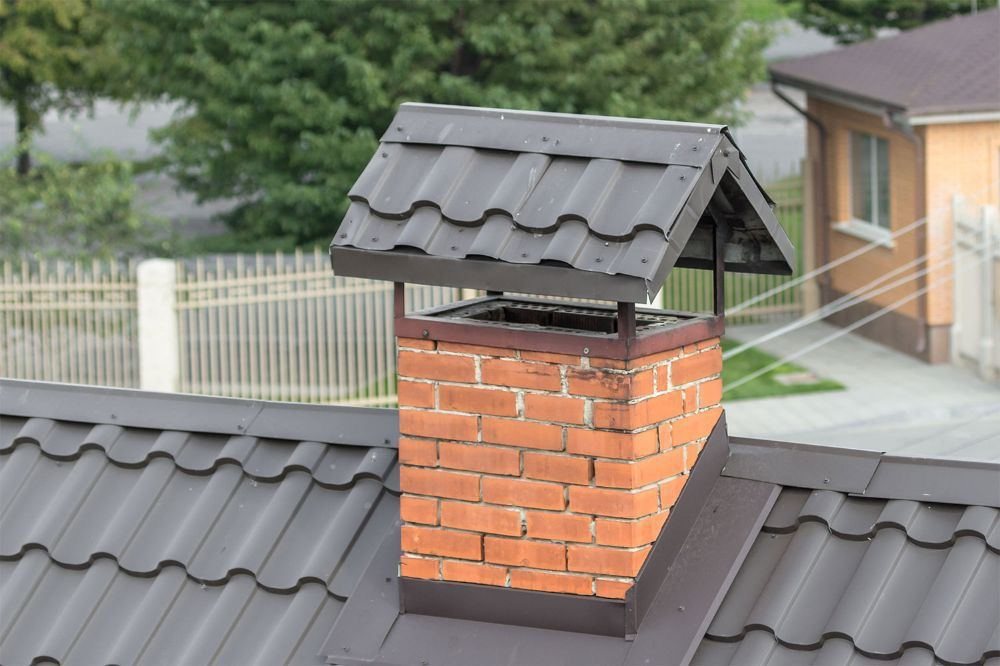
Mortar deterioration doesn't announce itself. There's no dramatic crack or sudden leak — just joints that slowly recede, crumble, and open up over the years. But those failing joints are the entry point for the water that damages everything else, which makes them worth paying attention to.
The role mortar plays
Mortar is the material between the bricks, and it's designed to be the sacrificial element of masonry — to weather before the brick does, so it can be renewed while the brick stays put. That's by design: replacing mortar is far easier and cheaper than replacing brick.
How to spot deterioration
- Mortar you can scrape out with a screwdriver or even a fingernail.
- Visible gaps or recessed joints between bricks.
- Cracks running through the mortar lines.
- Sand-like crumbs collecting at the base of the chimney.
- Damp patches or efflorescence nearby.
Why it matters more than it looks
Once mortar joints fail, water has a direct path into the chimney structure. In our freeze-thaw climate, that water then does its expanding-ice damage — spalling brick, widening cracks, and accelerating the deterioration. So while failing mortar looks minor, it's the doorway through which bigger problems enter.
The fix: repointing
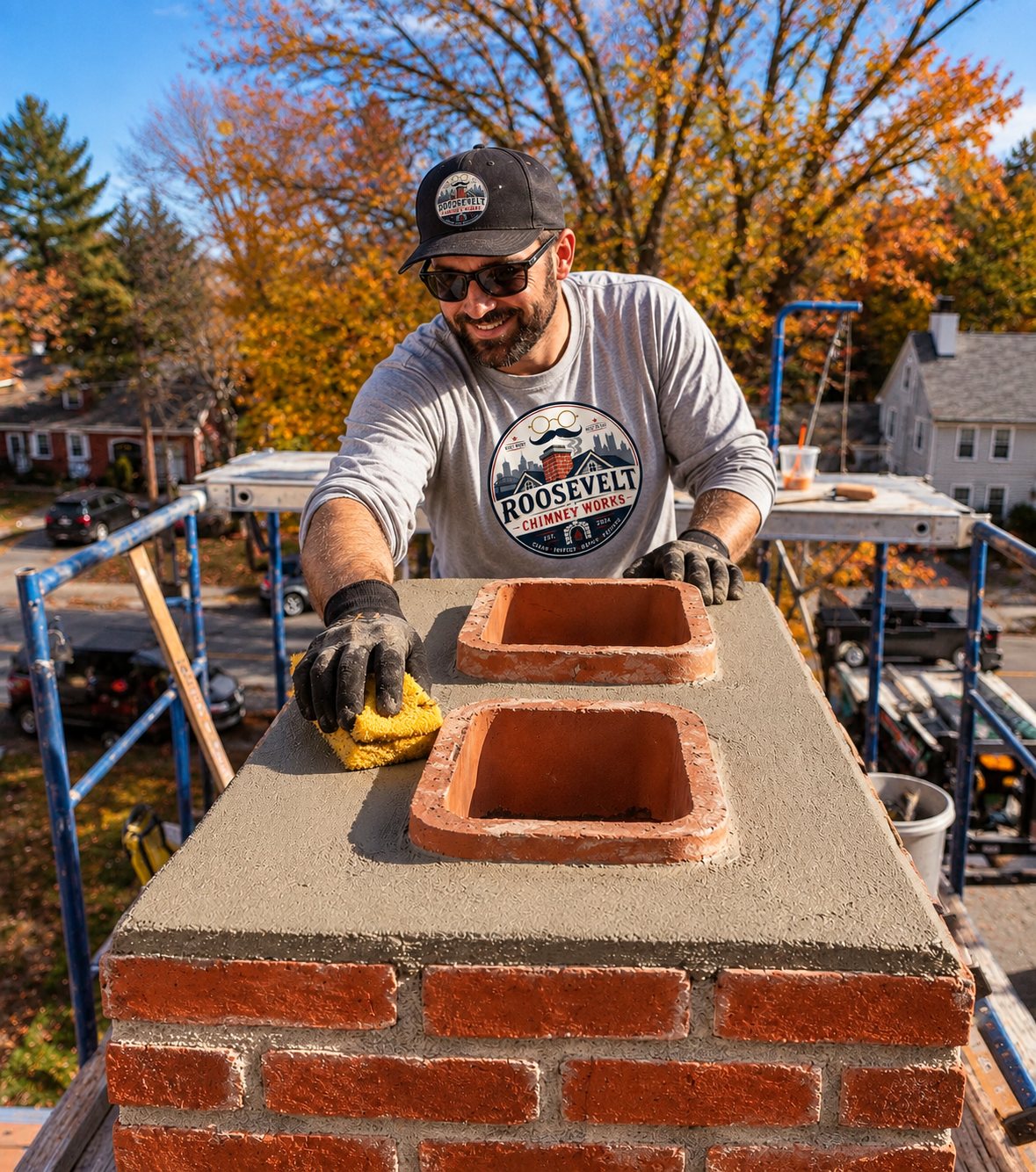
The solution is repointing: raking out the deteriorated mortar to a sound depth and packing in fresh mortar matched to the original. The matching matters — mortar that's too hard for the brick traps moisture and causes spalling, a real risk on older Pittsburgh masonry. Done right, repointing stops the water and can add decades to the chimney's life.