
Chimney Repointing Explained
Repointing is one of the most cost-effective things you can do for a masonry chimney. Here's what it involves.
Published January 8, 2026 · Roosevelt Chimney Works
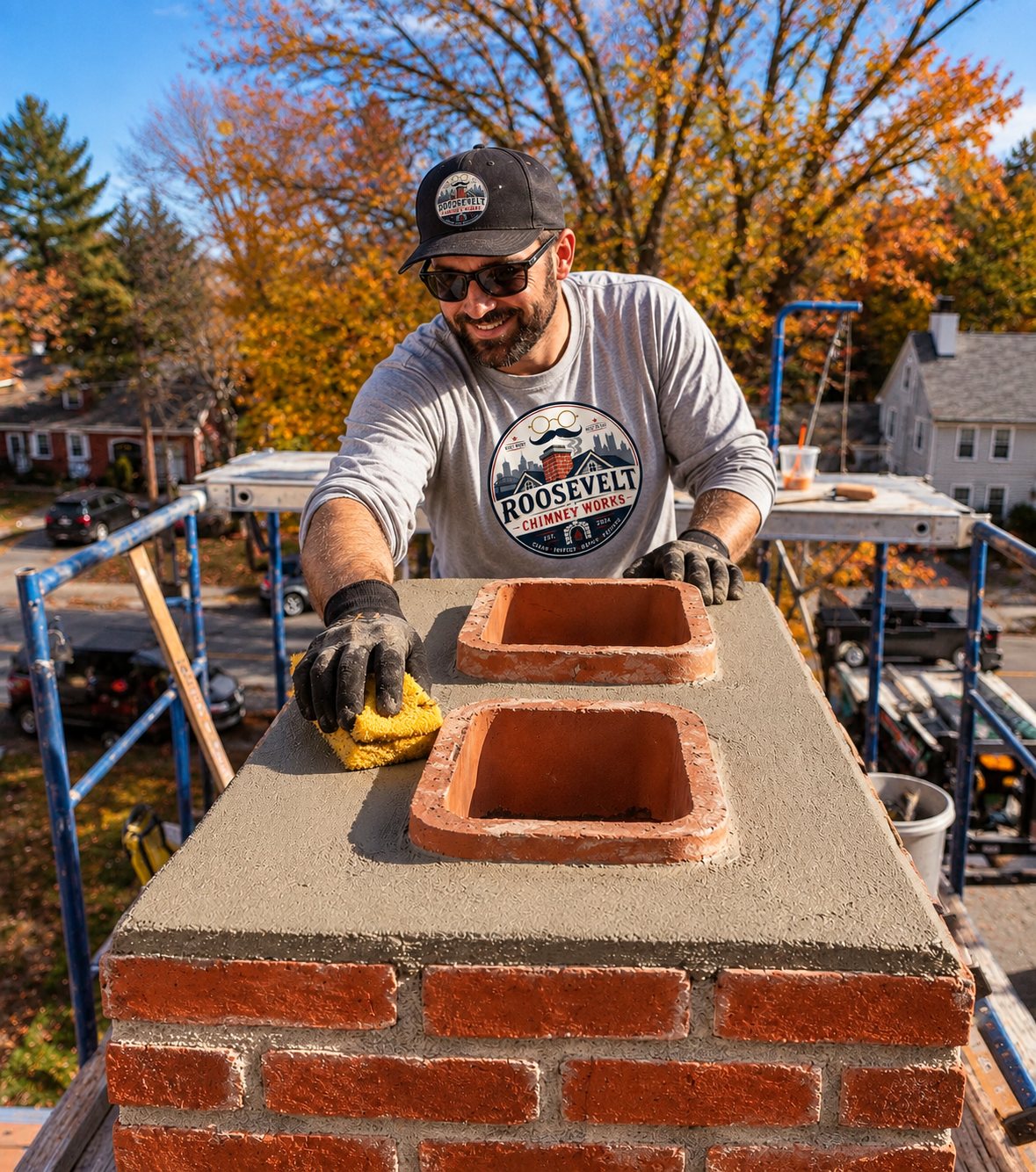
Repointing — sometimes called tuckpointing — is one of the highest-value maintenance services a masonry chimney can receive. Done at the right time, it stops water intrusion and can add decades to the structure without the cost of rebuilding. Here's how it works and why it matters.
What repointing is
Repointing is the process of removing deteriorated mortar from the joints between bricks and packing in fresh mortar. Mortar joints are designed to be the sacrificial element of masonry — they weather before the brick does, so they can be renewed while the brick stays put. Repointing renews them.
Why mortar fails first (by design)
That sacrificial role is intentional. It's far easier and cheaper to replace mortar than brick, so mortar is formulated to take the brunt of weathering. When joints crack, erode, or fall out, though, water gets a direct path into the structure — which is why renewing them on time is so important.
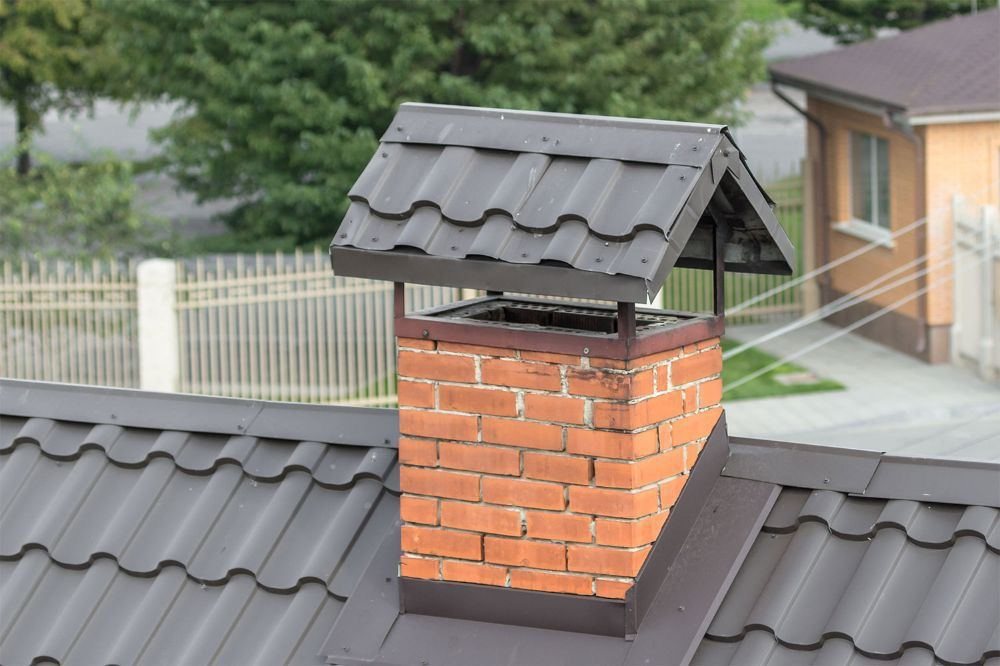
How proper repointing is done
The deteriorated mortar is raked or ground out to a sound depth — too shallow and the repair won't hold, too aggressive and it risks the brick. Then fresh mortar, matched to the original in color and composition, is packed in and tooled to shed water and match the existing profile.
The matching detail that matters
On older brick, this is critical: modern high-cement mortars are often too hard, trapping moisture and causing the brick to spall. Matching a compatible, softer mortar protects the brick rather than destroying it. It's one of the details that separates lasting work from a quick smear — and it matters a great deal on Pittsburgh's older homes.