What Happens During a Chimney Inspection?
A good inspection is more than a glance up the flue. Here's what to expect when a professional inspects your chimney.
Published October 16, 2025 · Roosevelt Chimney Works
If you've never had your chimney professionally inspected, it's natural to wonder what actually happens — and whether it's worth it. A proper inspection is a systematic assessment of the whole system, and it's the foundation of every honest recommendation that follows.
The exterior and structure
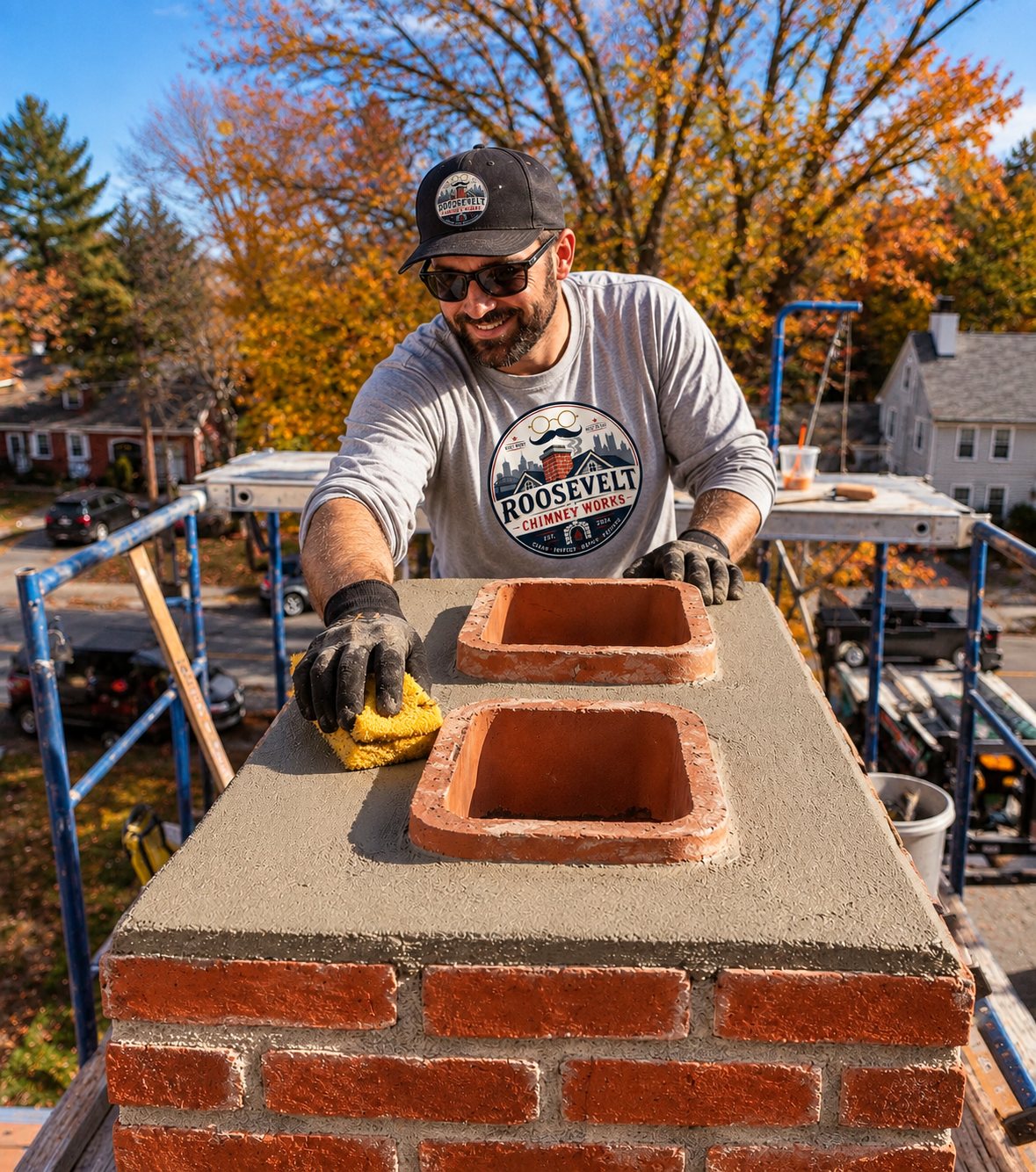
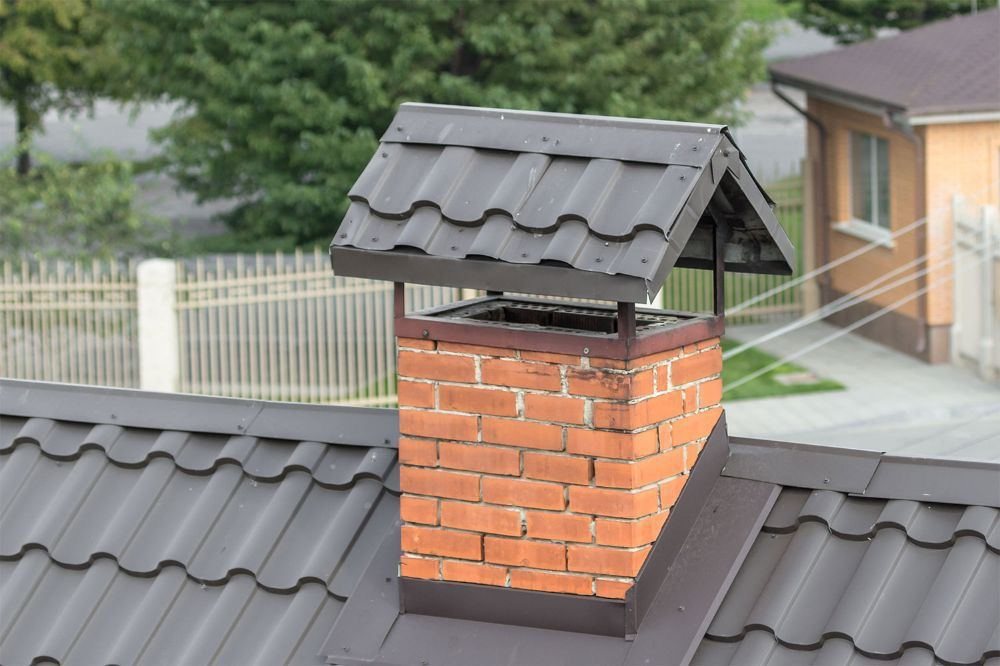
An inspection typically starts outside and up top. We look at the crown (the slab covering the masonry), the cap (which keeps rain and animals out of the flue), the flashing (where the chimney meets the roof), and the brick and mortar. These are the components that keep water out — and water is the number one enemy of any chimney.
Inside the flue
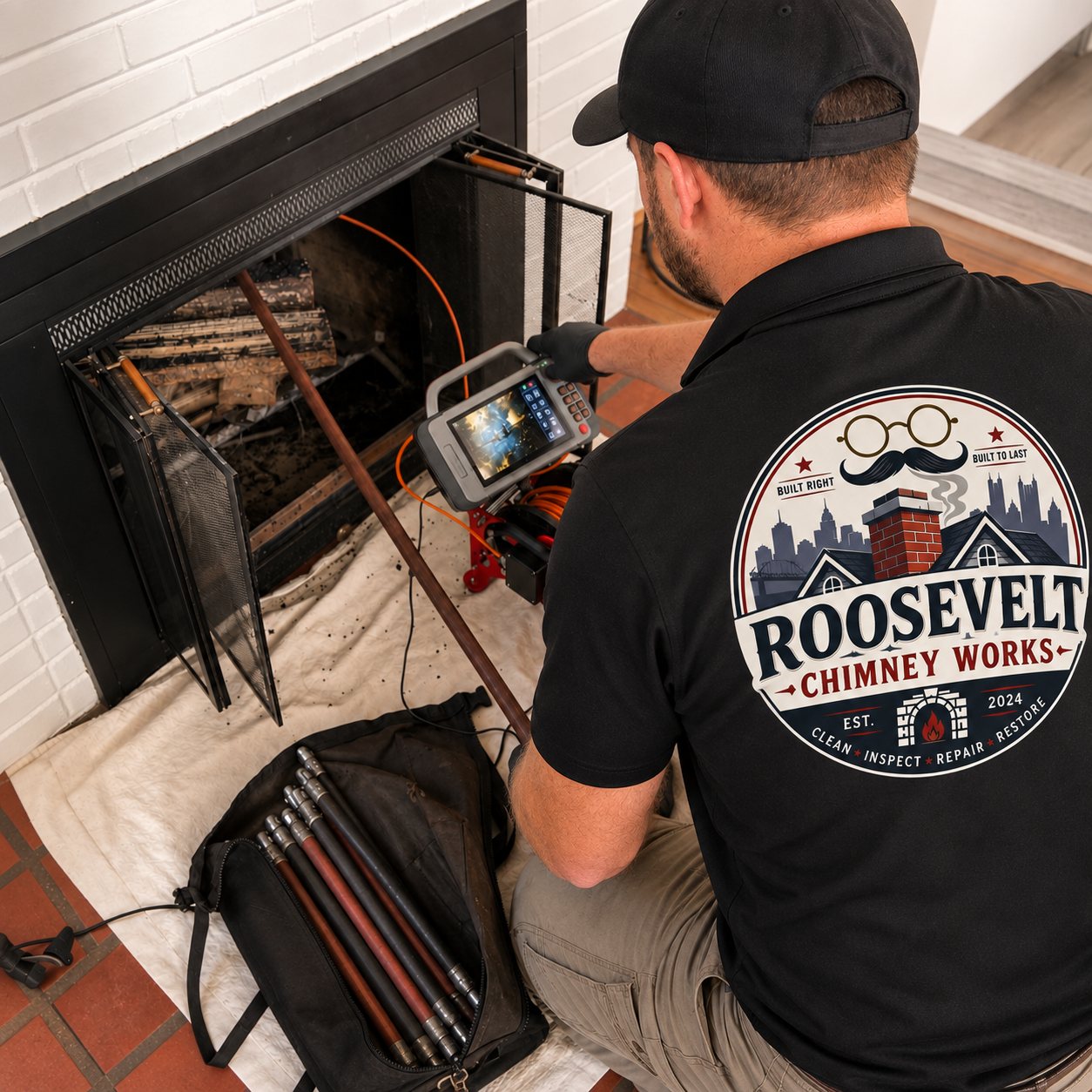
This is where a camera earns its keep. A flashlight from below can't reveal cracks, joint gaps, or damage further up the flue. An inspection camera scans the full length of the liner, documenting cracked tiles, gaps, spalling, corrosion, creosote glaze, and blockages. You can see the footage yourself — no guessing required.
The firebox, damper, and smoke chamber
Inside the house, the inspection covers the firebox (checking for cracked firebrick and deteriorated mortar), the damper (does it open, close, and seal?), and the smoke chamber above. Cracks in firebox mortar matter because they can expose framing behind the masonry to heat.
The report
You should come away with a clear, plain-English rundown: what's in good shape, what to keep an eye on, and what genuinely needs attention — prioritized, and backed by camera footage where it's relevant. If the chimney is sound, a good inspector tells you so plainly.
The goal of an inspection isn't to find things to sell you. It's to show you the true condition of your chimney so you can make informed decisions.