Older Pittsburgh Fireplaces & Chimney Alterations
Decades of conversions and 'improvements' leave their mark on old chimneys. Here's what to watch for in an older home.
Published April 30, 2026 · Roosevelt Chimney Works
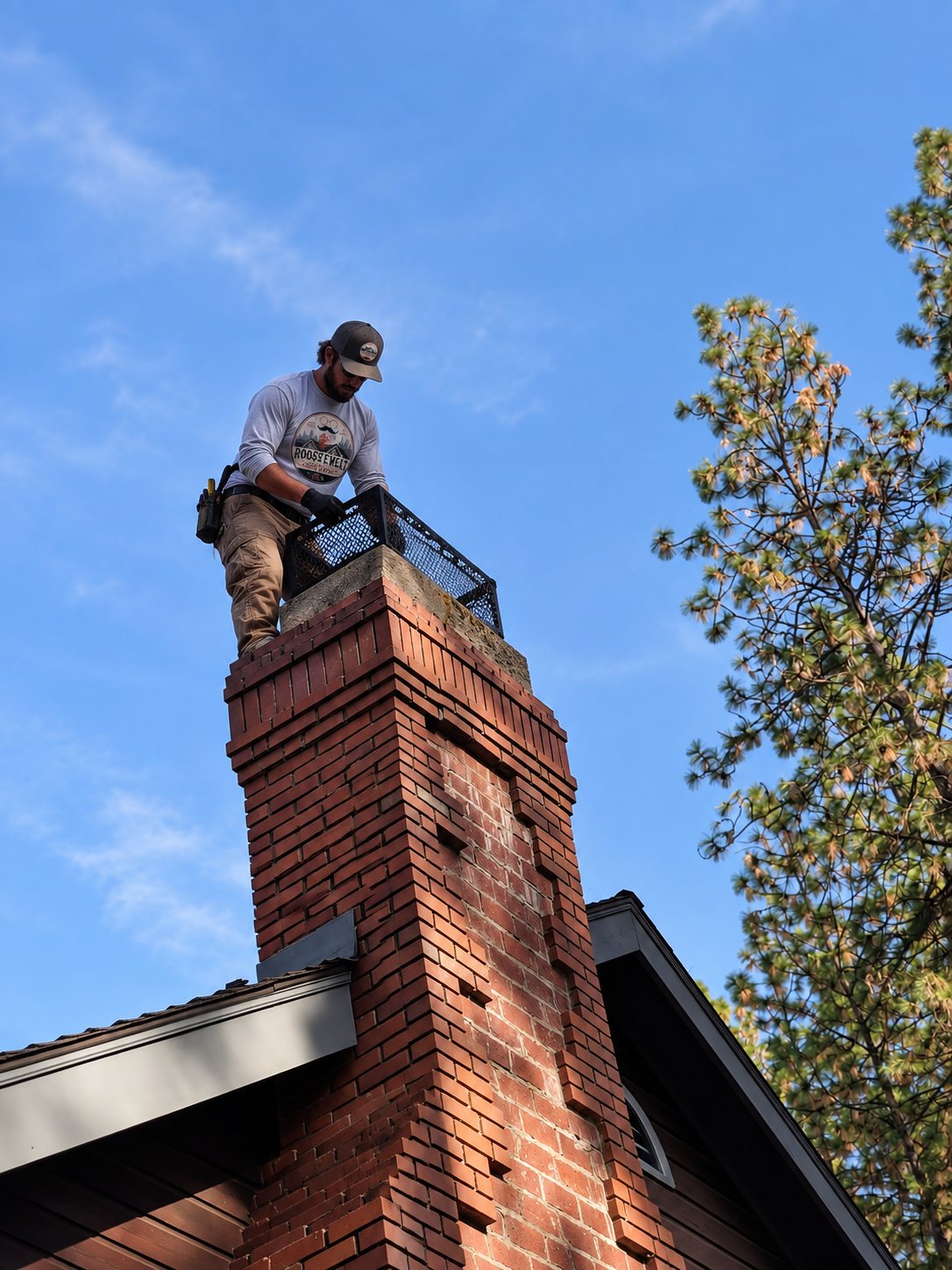
Pittsburgh's older homes have often passed through many hands, and each owner may have altered the fireplace or chimney — converting fuels, adding an appliance, sealing something off, or making a 'quick fix' that wasn't. Those accumulated alterations leave a mark, and knowing what to look for helps you keep an old system safe.
A century of changes
A chimney built a hundred years ago may have started serving a coal or wood fire, then been adapted for oil or gas, then perhaps had an insert added. Each change has its own venting and liner requirements — and not every past alteration was done correctly. The result can be a system that's a patchwork of different eras and standards.
Common issues in altered chimneys
- Fuel conversions done without proper relining for the new appliance.
- Abandoned flues or thimbles that were never properly sealed.
- Improperly sized flues after an appliance change.
- Original clay-tile liners left in place past their service life.
- Smoke chambers and connections that don't meet current standards.
Why it matters for safety
Mismatched or improper alterations aren't just quirks — they can be genuine safety issues. An improperly vented appliance or an unlined flue serving a modern unit can allow combustion gases into the home or heat to reach framing. That's why an older, altered chimney deserves a knowledgeable eye.
The value of a thorough inspection
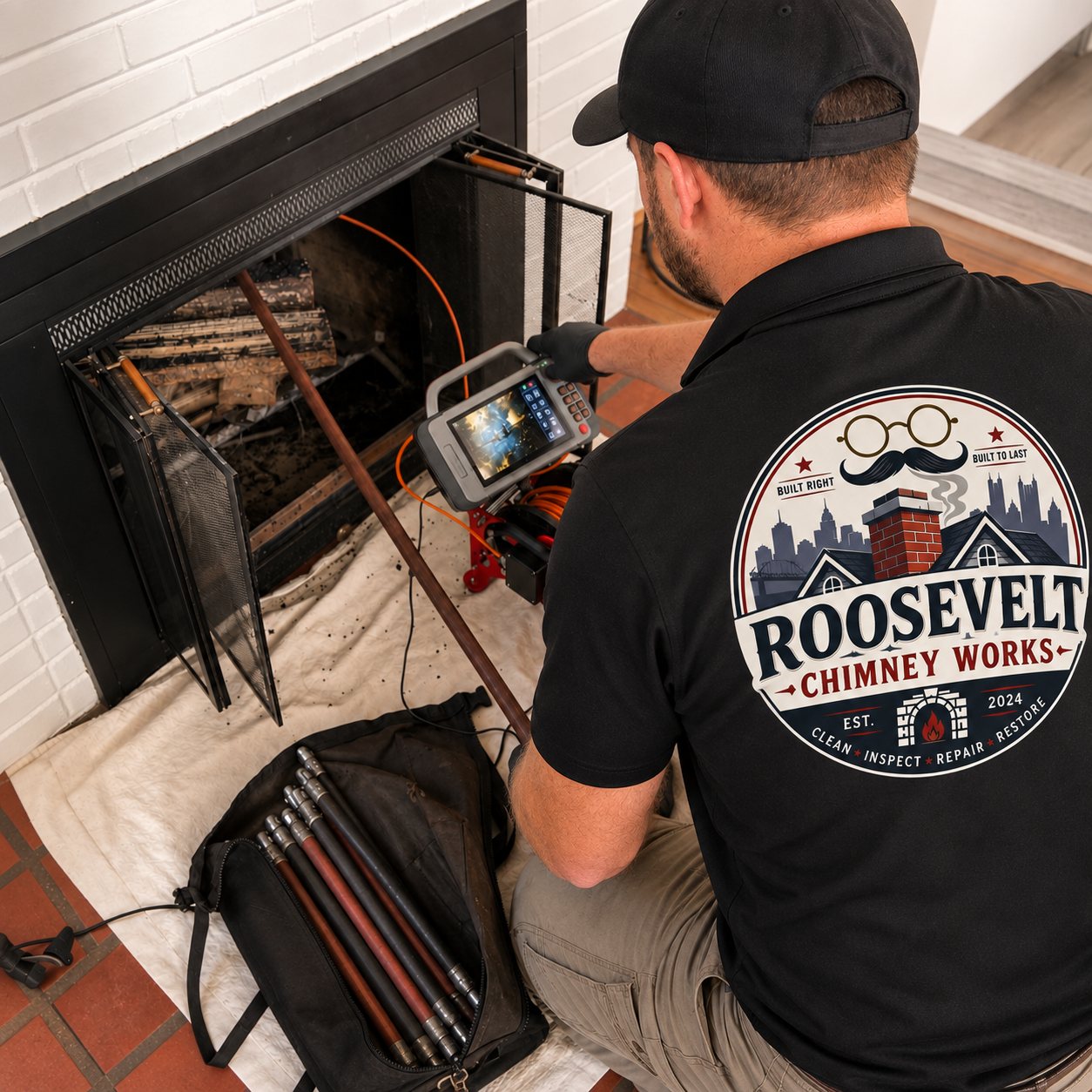
A camera inspection is the way to understand what past owners left behind. It reveals the flue's real condition, spots the legacy of old alterations, and lets a chimney professional recommend how to bring the system to a safe, coherent standard — often through relining and correcting the connections. Preserving the character while fixing the function is very much possible.